For many rural and off-grid properties in Surrey, septic tanks provide an efficient, environmentally friendly way to manage household wastewater. Understanding how these systems work, how to maintain them, and how to stay compliant with UK regulations is essential for long-term reliability.
At CJ Groundworks, we specialise in septic tanks Surrey, offering installation, maintenance, and replacement services for domestic and commercial properties. Whether you’re upgrading an old tank or installing a new one, this guide covers everything you need to know to keep your system running smoothly.
1. What Are Septic Tanks?
Septic tanks are underground wastewater treatment systems designed to collect and partially treat sewage and greywater from homes not connected to the mains sewer.
How Septic Tanks Work:
- Wastewater flows from the property into the tank.
- Solids settle at the bottom, forming sludge.
- Oils and grease rise to the top as scum.
- The liquid effluent is discharged into a soakaway or drainage field, where it is naturally filtered through the soil.
This process ensures waste is treated safely before re-entering the environment — a practical and eco-friendly solution for rural Surrey properties.
2. Types of Septic Tanks
Different soil conditions and property layouts in Surrey require specific tank types. Common options include:
- Concrete septic tanks: Sturdy and durable, ideal for larger installations.
- Plastic (polyethylene) tanks: Lightweight and corrosion-resistant, suitable for smaller sites.
- Fibreglass tanks: Long-lasting, easy to transport, and perfect for remote or difficult-to-access areas.
CJ Groundworks can recommend the most suitable tank for your soil type and property during an on-site assessment.
3. Septic Tank Installation in Surrey
Professional installation is vital to ensure performance, compliance, and longevity.
Typical Installation Process:
- Site Survey: Assessment of soil type, drainage needs, and property layout.
- Excavation: Preparing the correct-sized pit for the tank.
- Tank Placement and Connection: Installing and connecting the system to your property’s waste outlets.
- Soakaway or Drainage Field: Constructing an area for safe effluent dispersal.
- Final Testing: Ensuring the system operates efficiently and meets Environment Agency standards.
Learn more about our septic tank installation services in Surrey.
4. How Often Should Septic Tanks Be Emptied?
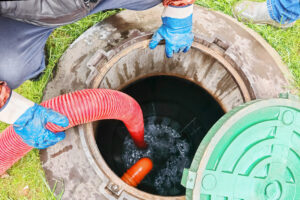
Routine emptying keeps your system efficient and prevents blockages. Most septic tanks Surrey should be emptied every 12–18 months, depending on:
- The number of household occupants
- Tank capacity
- Water usage habits
- Type of waste produced
Neglecting regular emptying can lead to unpleasant smells, overflow, or system failure — all costly to repair.
5. Maintenance Tips for Septic Tanks
Proper care extends your septic system’s life and minimises environmental impact.
Best Practices:
- Avoid flushing wipes, nappies, sanitary items, or grease.
- Use septic-safe and eco-friendly cleaning products.
- Conserve water to prevent overloading the system.
- Keep heavy vehicles off the drainage field.
- Schedule annual inspections and servicing.
Following these steps helps Surrey homeowners reduce maintenance costs and extend system performance.
6. UK Regulations for Septic Tanks
All septic tanks Surrey installations must comply with Environment Agency regulations and the General Binding Rules, ensuring wastewater is treated safely.
Key Requirements:
- Septic tanks must not discharge directly into streams, ditches, or surface water.
- Systems must be correctly sized for the property.
- Emptying and maintenance must be carried out by licensed waste carriers.
If your existing tank does not meet current standards, CJ Groundworks can assess and upgrade it to ensure full compliance.
7. Common Septic Tank Problems
Even well-installed systems can develop issues if neglected. Common problems include:
- Blocked or failed soakaways
- Cracked or leaking tanks
- Strong odours caused by infrequent emptying
- Standing water or contamination near the system
Early diagnosis through inspection prevents long-term damage and costly remediation work.
Keep Your Septic Tanks Surrey Working Efficiently
For properties without access to mains drainage, septic tanks Surrey remain a dependable and environmentally responsible solution. With proper installation, maintenance, and regular emptying, they can provide decades of reliable service.
If you’re considering a new installation or suspect your existing system needs attention, CJ Groundworks is ready to help. We provide professional advice, installation, and maintenance services across Surrey.
Phone: 0788 175 7877
Email: chris@cjgroundworks.com | henry@cjgroundworks.com
Septic Tanks Surrey FAQs
Q1: How long do septic tanks Surrey last?
A1: With correct maintenance, septic tanks can last between 20 and 40 years depending on materials and soil conditions.
Q2: What happens if I don’t empty my septic tanks Surrey regularly?
A2: Failure to empty your tank can lead to blockages, odours, pollution, and costly repairs — as well as potential fines for non-compliance.
Q3: Do I need planning permission for a new septic tank in Surrey?
A3: In most cases, yes. Installation must comply with Building Regulations and Environment Agency standards. CJ Groundworks can assist with all required permits and approvals.