Introduction
Understanding the regulations surrounding septic tanks and cesspits is essential for homeowners in rural parts of Surrey, Sussex, East Sussex and Kent. Properties not connected to mains sewerage must rely on off-mains drainage systems, and these are strictly governed by environmental and building regulations.
Choosing between septic tanks and cesspits involves more than cost considerations. Installation, discharge rules, maintenance obligations and environmental impact must all be carefully assessed before work begins.
At CJ Groundworks (https://cjgroundworks.com/), we install and maintain off-mains drainage systems across the South East, ensuring full compliance with UK standards.
What Are Septic Tanks and Cesspits?
Septic Tanks
A septic tank is a treatment system that separates solids from wastewater. Effluent is partially treated before discharging into a drainage field or soakaway.
Cesspits
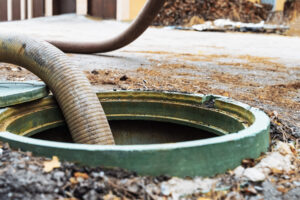
A cesspit (sometimes called a cesspool) is a sealed underground tank that stores wastewater without treatment. It must be emptied regularly by a licensed waste contractor.
The key difference between septic tanks and cesspits is treatment versus storage. Septic tanks discharge treated effluent, whereas cesspits hold waste until removal.
For a technical overview of wastewater systems, see: https://en.wikipedia.org/wiki/Septic_tank
Environmental Regulations You Must Know
The Environment Agency regulates the discharge from septic systems in England. Since the introduction of the General Binding Rules, older systems that discharge directly into watercourses are no longer permitted unless upgraded.
When installing septic tanks and cesspits, contractors must consider:
Discharge location
Distance from watercourses
Ground permeability
Capacity relative to property size
Access for maintenance and emptying
Failure to comply can lead to enforcement notices and costly remedial work.
Planning and Building Control Requirements
While most replacements of like-for-like systems do not require planning permission, certain installations do — particularly if:
The property is in a conservation area
The discharge point changes
Groundworks significantly alter site layout
Building Regulations approval is normally required, especially for new systems. Professional installation ensures that septic tanks and cesspits meet Part H (Drainage and Waste Disposal) requirements.
Local Building Control officers will inspect excavation depth, tank positioning and pipe gradients before backfilling.
Choosing Between Septic Tanks and Cesspits
When deciding between septic tanks and cesspits, consider the following:
Septic tanks require suitable ground for drainage fields
Cesspits require regular emptying (often monthly depending on usage)
Installation costs vary depending on excavation requirements
Running costs are typically higher for cesspits due to emptying charges
Where land drainage conditions are unsuitable for soakaways, a cesspit may be the only viable option. However, it requires ongoing maintenance and budgeting.
An experienced groundwork contractor will carry out soil percolation tests before recommending a system.
Installation Considerations in Surrey and Sussex
Ground conditions across Surrey and Sussex can vary significantly. Clay soils may limit percolation rates, making septic tank drainage fields more challenging.
Professional installers of septic tanks and cesspits will:
Conduct site assessments
Calculate correct tank sizing
Ensure safe distances from buildings and boundaries
Provide access for future maintenance
Proper installation reduces the risk of groundwater contamination and unpleasant odours.
Maintenance Responsibilities
Homeowners are legally responsible for maintaining their systems.
For septic tanks and cesspits, this typically includes:
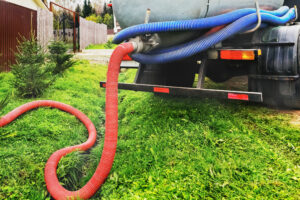
Regular emptying by a licensed carrier
Preventing surface water ingress
Avoiding disposal of non-biodegradable materials
Monitoring for signs of overflow or blockage
Neglecting maintenance can result in environmental damage and structural ground issues.
Why Professional Installation Matters
Incorrectly installed off-mains drainage can lead to subsidence, pollution and enforcement action. Working with experienced contractors ensures compliance from excavation through to final inspection.
CJ Groundworks provides compliant installation and replacement of septic tanks and cesspits throughout Surrey, Sussex, East Sussex and Kent, delivering reliable systems tailored to site conditions.
Frequently Asked Questions
Q1: Do septic tanks require planning permission?
A1: Usually no, unless the installation significantly alters the site or discharge point. However, Building Regulations approval is typically required.
Q2: How often must a cesspit be emptied?
A2: Depending on property size and tank capacity, emptying may be required monthly or more frequently.
Q3: Can I replace a septic tank with a cesspit?
A3: Yes, but suitability depends on ground conditions and environmental regulations. Professional assessment is essential.
Choosing the right off-mains drainage system protects your property and the environment. If you need expert advice or installation of septic tanks and cesspits, speak to a trusted local specialist.
Call 0140 373 3214
Email chris@cjgroundworks.com