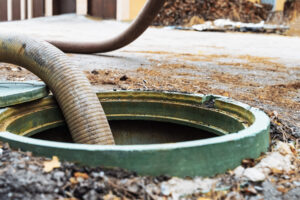
Proper septic tank emptying is essential for any property relying on off-mains drainage. When a tank is neglected, it can quickly lead to foul odours, blocked drains, backups, and even system failure. With more UK homes situated in rural areas or locations without mains sewer connections, understanding how often your tank should be emptied is crucial to keeping your drainage system compliant and running smoothly.
In this guide, CJ Groundworks explains the recommended emptying frequency, what influences the schedule, and why professional servicing is essential for long-term system health.
Why Septic Tank Emptying Matters
Routine septic tank emptying prevents solids from building up and entering the drainage field, where they can cause irreversible damage. When tanks are left too long without servicing, issues such as blockages, sewage smells, and environmental contamination become far more likely.
CJ Groundworks provides reliable septic tank servicing, drainage maintenance, and domestic wastewater system support for households across the UK.
How Often Should a Septic Tank Be Emptied?
The General UK Recommendation
Most UK homes should have their septic tank emptied every 12 months. This is the standard guidance for a typical domestic household of four occupants.
However, this is a guideline rather than a strict rule. Some households will require emptying more frequently, while others may go longer depending on system capacity, usage levels, and tank design.
Factors That Affect Emptying Frequency
1. Size of the Septic Tank
Smaller tanks fill up faster, requiring more frequent emptying. Larger modern systems may be able to accommodate a slightly longer schedule but should still be inspected annually.
2. Number of Occupants
More people in the property means more wastewater and solids entering the tank. Larger households often require emptying every 6–9 months.
3. Water Usage
Homes with high water consumption, such as those with multiple bathrooms or heavy appliance use, put additional load on the system. This increases the need for routine servicing.
4. Tank Type and System Design
Some properties use cesspits rather than septic tanks. Cesspits require far more frequent emptying, often monthly, because they have no treatment process. CJ Groundworks can assess your system and recommend an appropriate maintenance plan.
5. Condition and Age of the System
Older tanks or drainage fields may require more frequent septic tank inspections and servicing to maintain efficiency.
Consequences of Not Emptying Your Septic Tank
Ignoring routine emptying can lead to:
- Overflows and sewage backups
- Foul odours surrounding the tank
- Blocked pipework and drains
- Damage to the drainage field
- Environmental pollution
- Non-compliance with UK regulations
A damaged drainage field can cost thousands of pounds to replace. Regular drainage maintenance helps avoid this and extends the life of your entire system.
Why Choose CJ Groundworks for Septic Tank Emptying?
CJ Groundworks provides professional, reliable services for homeowners across the UK, ensuring your system remains safe, compliant, and functioning efficiently.
Our Services Include:
- Scheduled routine tank emptying
- Full system health checks
- CCTV drain inspections
- Cesspit emptying and cleaning
- Guidance on regulatory compliance
- Repairs and replacement of outdated or damaged systems
- Support with all types of off-mains drainage
All work is completed by trained operatives using professional equipment to ensure safe and efficient waste removal.
When to Book an Emptying Service
You should contact a professional immediately if you notice:
- Slow-draining sinks or toilets
- Gurgling noises from plumbing
- Unpleasant smells around the tank
- Standing water above the drainage field
- Your last emptying was more than 12 months ago
Regular servicing prevents these issues and protects your property from avoidable damage.
Routine septic tank emptying is essential for keeping your off-mains drainage system in good working order. While most UK homes require annual emptying, factors such as household size, water usage, and tank type can influence the schedule. With CJ Groundworks, you receive professional support, transparent advice, and dependable servicing to keep your system compliant and fully operational.
To book a septic tank emptying service, contact CJ Groundworks today:
Phone: 0788 175 7877
Email: chris@cjgroundworks.com or henry@cjgroundworks.com
Septic Tank Emptying FAQs
Q1: How do I know my septic tank needs emptying?
Warning signs include slow drains, sewage smells, gurgling pipes, or water pooling above the drainage field.
Q2: Is annual septic tank emptying mandatory?
While not legally mandatory, annual emptying is recommended to maintain compliance and prevent damage. Some systems may require more frequent servicing.
Q3: Can I check the tank level myself?
It is not recommended. Opening a tank lid can be dangerous. Always contact a professional such as CJ Groundworks for inspections.