A pad foundation is one of the most common types of building foundations used in UK construction, especially for supporting individual columns or structural loads. Known for its simplicity and efficiency, it provides a stable and cost-effective solution for a wide range of structures, from domestic extensions to industrial frameworks.
At CJ Groundworks, we specialise in building foundations and groundworks services, ensuring every foundation is designed and constructed to meet strict UK construction standards. This guide will explain what a pad foundation is, how it works, and when it’s the right choice for your project.
1. What Is a Pad Foundation?
A pad foundation (also called an isolated foundation) is a square or rectangular block of reinforced concrete that supports a single column or post. Its main purpose is to spread the load of the structure evenly onto the ground below, preventing settlement or failure.
Key Features
- Supports individual load-bearing columns
- Usually made from reinforced concrete
- Suitable for stable, firm soils with good bearing capacity
- Can be designed as isolated or combined pads
- Ideal for lightweight to medium-load structures
This type of foundation construction is often used in both residential and commercial buildings where columns are spaced apart rather than connected by continuous walls.
2. How Does a Pad Foundation Work?
It transfers structural loads from a column directly to the soil beneath. The load is distributed across a larger area of ground through the concrete pad, reducing pressure on the soil and ensuring stability.
When soil bearing capacity is good and loads are moderate, pad foundations are one of the most efficient and cost-effective solutions. They are designed by structural engineers who calculate pad size, thickness, and reinforcement requirements based on load and ground conditions.
3. Types
Depending on the structure and soil type, there are several variations of pad foundations:
a. Isolated
Used to support individual columns, these are the most common type and are typically square or circular.
b. Combined
Used when two or more columns are close together, and their loads overlap. A single reinforced pad supports multiple columns.
c. Continuous
A series of pads connected by beams, often used in industrial or commercial structures for greater stability.
Each type of pad foundation is selected based on design requirements, load intensity, and site conditions.
4. Construction Process
Building a pad foundation involves several critical stages to ensure strength and compliance:
- Site Investigation: Assessing soil conditions and load requirements.
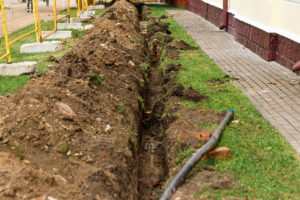
- Excavation: Digging to the required depth and removing loose material.
- Formwork Setup: Creating a mould to hold the concrete in place.
- Reinforcement Installation: Placing steel bars (rebar) to increase strength and prevent cracking.
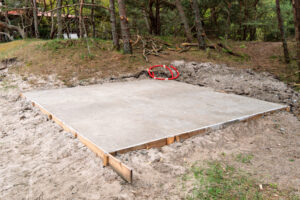
- Concrete Pouring: Filling the formwork with concrete and levelling it.
- Curing: Allowing the concrete to harden and gain strength over several days.
Proper drainage, waterproofing, and compaction are also vital to the success of any pad foundation installation.
5. Advantages
There are many reasons why engineers and builders choose pad foundations for UK projects:
- Cost-effective: Uses less concrete than raft or pile foundations.
- Quick installation: Ideal for small to medium construction projects.
- High load capacity: Efficiently supports structural columns.
- Design flexibility: Can be adjusted for different soil and load conditions.
- Easy maintenance and access: Simple design allows for easier inspection and repair.
For properties with consistent ground conditions, pad foundations offer a practical, long-lasting solution that balances performance with affordability.
6. When to Use a Pad Foundation
It is best suited when:
- The building has isolated columns or posts.
- The soil has sufficient bearing capacity.
- The loads on each column are moderate and evenly distributed.
- The site allows shallow excavation without groundwater interference.
However, in areas with weak or variable soil, deeper pile foundations or a raft foundation may be more appropriate.
CJ Groundworks can assess your site’s soil type and recommend the best foundation design to ensure structural safety and compliance.
Learn more about our building foundation services →
7. Cost of Pad Foundation Construction in the UK
The cost of a pad foundation depends on several factors including soil type, pad size, and project complexity. On average, UK homeowners and developers can expect:
- Small residential pads: £500 – £1,200 each
- Commercial pads: £1,500 – £3,000 each
- Complete foundation projects: £5,000 – £10,000+ depending on scope
A full site survey and structural design will determine the exact cost. CJ Groundworks offers transparent quotes and ensures every project meets UK building regulations.
8. Common Mistakes to Avoid
To ensure your pad foundation performs effectively, avoid these common issues:
- Inadequate soil testing before construction
- Incorrect reinforcement or concrete mix
- Poor drainage or compaction
- Uneven pad thickness or placement
Working with experienced groundworks contractors ensures these mistakes are avoided, providing you with a durable, compliant, and stable foundation for your structure.
Why Choose a Pad Foundation for Your Project
A pad foundation is a simple yet powerful solution for supporting structural loads efficiently. Its adaptability, affordability, and reliability make it a top choice for many UK construction projects.
At CJ Groundworks, we combine technical expertise with precision engineering to deliver high-quality foundation construction across residential and commercial sectors.
Contact CJ Groundworks today to discuss your pad foundation or any other building foundation needs.
Phone: 0788 175 7877
Email: chris@cjgroundworks.com or henry@cjgroundworks.com
Frequently Asked Questions
Q1: What depth should a pad foundation be?
A1: Most pad foundations in the UK range from 600mm to 1,000mm deep, depending on soil conditions and load requirements.
Q2: Can pad foundations be used for heavy buildings?
A2: Yes, if the soil has a high bearing capacity and the pads are properly reinforced. For very heavy structures, combined or piled foundations may be more suitable.
Q3: Do pad foundations require reinforcement?
A3: Yes, reinforcement is typically included to prevent cracking and improve load distribution. The amount and layout are determined by a structural engineer.