When it comes to managing wastewater in rural or off-grid properties, two primary systems often come to mind — the cesspit and the septic tank. While both handle household waste, they function very differently and come with their own maintenance requirements and environmental implications.
Understanding these differences is essential before choosing the right solution for your property. At CJ Groundworks, we specialise in both cesspit installation and septic tank systems, helping homeowners make informed decisions that meet UK regulations and long-term drainage needs.
1. What Is a Cesspit?
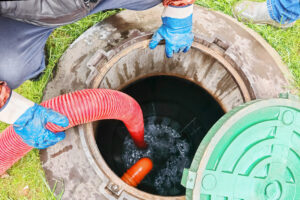
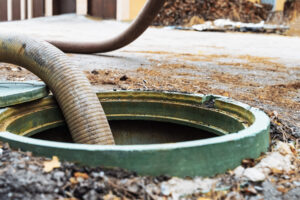
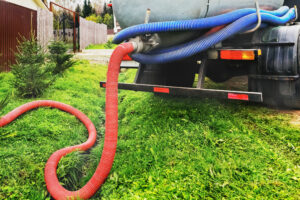
A cesspit (or cesspool) is a sealed underground tank used solely for wastewater storage. Unlike a septic tank, a cesspit has no outlet or treatment process — meaning all waste remains contained until it is emptied by a licensed waste disposal company.
Key Features of a Cesspit
- Completely sealed storage system
- Requires regular emptying, often every 4–8 weeks depending on usage
- No wastewater treatment or discharge into the ground
- Ideal for properties where a soakaway system or drainage field isn’t possible
A cesspit is commonly used in areas where the soil type, water table, or local regulations prevent the use of a septic tank.
2. What Is a Septic Tank?
A septic tank, on the other hand, is a treatment system. Wastewater from your property flows into the tank, where solids settle at the bottom and liquid effluent is discharged into a drainage field for filtration through the soil.
Key Features of a Septic Tank
- Separates solids and liquids for partial treatment
- Effluent disperses into a soakaway system
- Requires desludging approximately every 12–18 months
- More eco-friendly than a cesspit due to partial treatment
While a septic tank requires less frequent emptying than a cesspit, it demands adequate space and suitable soil conditions for the soakaway to work effectively.
3. The Main Differences Between a Cesspit and a Septic Tank
The primary difference between a cesspit and a septic tank lies in how they handle waste. It acts purely as a holding tank, collecting all household wastewater without any treatment. It needs regular emptying — typically every 4 to 8 weeks — making it a higher-maintenance solution.
A septic tank, however, separates and partially treats wastewater before releasing the effluent into a drainage field, where it’s naturally filtered through the soil. This means septic tanks are more environmentally friendly and require emptying only once every 12 to 18 months.
In terms of installation cost, a cesspit is often cheaper upfront because of its simpler design. However, over time, the frequent need for emptying can make it more expensive to maintain compared to a septic tank, which offers lower long-term costs.
When it comes to suitability, a cesspit is best for locations without proper drainage fields or where environmental restrictions apply, while a septic tank is the preferred choice for properties with adequate space and soil drainage.
4. Which System Is Right for You?
The right choice depends on your property’s location, soil type, and local authority regulations.
- Choose a cesspit if your property cannot have a drainage field due to high groundwater levels, poor soil permeability, or environmental restrictions.
- Choose a septic tank if your property has space for a soakaway and you want a more eco-friendly and lower-maintenance option.
CJ Groundworks can carry out a site inspection to help you determine which system best meets your needs, ensuring compliance with UK building and environmental regulations.
Learn more about our cesspit installation services →
5. Installation and Maintenance Considerations
Both cesspit and septic tank systems require professional installation to prevent leaks and ensure proper function. A poorly installed cesspit can lead to contamination risks, while an incorrectly positioned septic tank may cause soakaway failure.
Professional Installation Includes:
- Site assessment and soil testing
- Ground excavation and tank placement
- Pipework installation and sealing
- Compliance with Environment Agency regulations
CJ Groundworks offers complete drainage system installation, from groundwork preparation to system maintenance, providing safe and compliant solutions for UK homeowners.
6. Cost Comparison
The cost of installing a cesspit is generally lower than a septic tank due to its simpler design. However, frequent emptying can make it more expensive over time.
Typical costs (subject to site conditions):
- Cesspit installation: £2,000–£4,000
- Septic tank installation: £3,000–£7,000
- Emptying: £100–£250 per visit
When budgeting, it’s important to consider ongoing maintenance and disposal costs in addition to the initial installation.
Making the Right Choice for Your Property
Choosing between a cesspit and a septic tank depends on your property’s layout, environmental constraints, and long-term maintenance goals.
If you’re unsure which system is best for you, CJ Groundworks can help. Our experienced team provides expert guidance, site assessments, and professional installation across the UK.
Contact CJ Groundworks today to discuss your property’s drainage needs.
Phone: 0788 175 7877
Email: chris@cjgroundworks.com or henry@cjgroundworks.com
Frequently Asked Questions
Q1: How often should a cesspit be emptied?
A1: It typically needs emptying every 4–8 weeks, depending on household size and water usage. Regular emptying prevents overflow and contamination.
Q2: Can it be converted into a septic tank?
A2: In some cases, yes — but it depends on soil conditions and planning regulations. A full assessment from CJ Groundworks can confirm if conversion is feasible.
Q3: Do they require planning permission in the UK?
A3: Yes, in most cases. Installation must comply with UK building regulations and Environment Agency standards to ensure environmental safety.