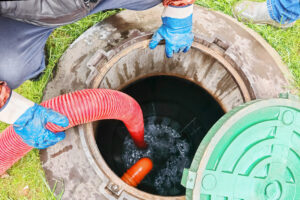
Cesspit emptying is essential for properties that rely on off-mains drainage systems. Unlike septic tanks or treatment plants, cesspits simply collect waste without treating it, meaning they must be emptied regularly to function properly.
Failing to manage cesspit emptying correctly can lead to serious problems, including overflow, environmental risks and costly repairs. Understanding how to maintain your system ensures it operates safely and efficiently.
What Is a Cesspit and How Does It Work?
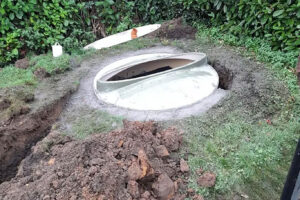
A cesspit is a sealed underground tank designed to store wastewater and sewage. It does not discharge treated water, so all waste remains in the tank until it is removed.
Because of this, cesspit emptying is required far more frequently than with other systems.
Typical uses include:
- Rural properties without access to mains drainage
- Temporary or isolated buildings
- Sites where ground conditions prevent soakaway systems
Why Regular Cesspit Emptying Is Critical
Unlike other drainage systems, cesspits have no treatment process. Once they reach capacity, there is nowhere for the waste to go.
Key reasons to maintain regular emptying:
- Prevent overflow and contamination
- Avoid damage to the tank structure
- Maintain compliance with environmental regulations
- Reduce unpleasant odours around the property
- Protect surrounding land and groundwater
Regular cesspit emptying is not optional, it is essential for safe operation.
How Often Should a Cesspit Be Emptied?
The frequency of cesspit emptying depends on several factors.
Key influences include:
- Size of the tank
- Number of occupants using the system
- Volume of wastewater generated
- Seasonal usage patterns
General Guidance
- Small households may require emptying every 4 to 6 weeks
- Larger households may need more frequent servicing
- Commercial or high-use sites may require weekly emptying
Real-World Scenario
A family home with a small cesspit begins to experience odours and slow drainage. The tank has not been emptied for several weeks. After arranging cesspit emptying, the system returns to normal operation, highlighting the importance of regular scheduling.
Warning Signs Your Cesspit Needs Emptying
Recognising early warning signs can prevent serious issues.
Common indicators:
- Strong unpleasant smells near the tank or drains
- Slow drainage within the property
- Gurgling sounds in pipes
- Wet or soggy ground near the cesspit
- Alarm systems indicating high levels
Ignoring these signs can lead to overflow and system failure.
What Happens If You Do Not Empty a Cesspit?
Delaying cesspit emptying can have severe consequences.
Potential problems include:
- Overflowing sewage causing contamination
- Environmental damage to surrounding soil and water
- Health risks from exposure to waste
- Structural damage to the tank
- Emergency emptying costs, which are often higher
Real-World Example
A property owner delays emptying due to cost concerns. The cesspit eventually overflows, contaminating the surrounding area and requiring urgent and expensive intervention. Regular cesspit emptying would have prevented the issue entirely.
Costs and Savings: Why Maintenance Matters
While cesspit emptying has an ongoing cost, it is far more affordable than dealing with major problems.
Costs to consider:
- Routine emptying charges
- Emergency call-out fees
- Potential repair or replacement costs
Decision Guidance
- Good option: Scheduled emptying → predictable costs
- Better option: Monitoring usage → optimise frequency
- Best option: Regular maintenance plan → prevent emergencies
Staying proactive helps avoid unexpected expenses.
How to Maintain a Cesspit Properly
Good maintenance practices can extend the life of your system and reduce the risk of problems.
Best practices include:
- Keeping a regular emptying schedule
- Monitoring usage levels
- Avoiding disposal of unsuitable materials such as wipes or grease
- Checking for early warning signs
- Using professional services for inspections and emptying
Proper management ensures reliable performance over time.
Choosing the Right Drainage Solution
Cesspits are sometimes necessary, but they are not always the most efficient option.
Alternative systems include:
- Septic tanks, which treat wastewater partially
- Sewage treatment plants, which provide full treatment
These systems require less frequent emptying and may be more suitable for long-term use.
For more information on how cesspits differ from other systems, see
https://en.wikipedia.org/wiki/Cesspit
Frequently Asked Questions
Q1: How often should cesspit emptying be carried out?
It depends on usage, but most domestic systems require emptying every few weeks.
Q2: Can I reduce how often my cesspit needs emptying?
Yes, by reducing water usage and avoiding unnecessary waste entering the system.
Q3: Is cesspit emptying legally required?
Yes, systems must be maintained to prevent environmental contamination and comply with regulations.
Q4: What happens during cesspit emptying?
A specialist tanker removes the stored waste and disposes of it safely at an approved facility.
Cesspit systems rely entirely on regular maintenance to function correctly. By staying on top of cesspit emptying, you can avoid costly problems, protect your property and ensure safe operation.
If you need reliable cesspit services or expert advice on drainage systems, contact CJ Groundworks today.
Phone: 0140 373 3214
Email: chris@cjgroundworks.com
Find out more: https://cjgroundworks.com/