Cesspit Installation and Replacement Across Sussex, Surrey and Kent

CJ Groundworks installs and replaces sealed cesspits for homes, rural properties, farms and commercial premises across Sussex, Surrey and Kent.

With more than 35 years of groundworks and drainage experience, our family-run team can manage the physical installation from the initial site assessment and excavation through to tank placement, pipework connections, backfilling and reinstatement.

A cesspit is not suitable for every property. Before recommending one, we consider the expected volume of wastewater, available space, tanker access, ground conditions and whether connection to the public sewer or another off-mains system is practical.

You will receive clear advice on the proposed installation and a quotation based on the conditions at your property.

/Definition

What Is a Cesspit and How Does It Work?

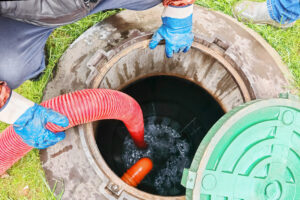
A cesspit, also known as a cesspool, is a sealed underground tank that stores sewage and wastewater from a property that is not connected to the public sewer.

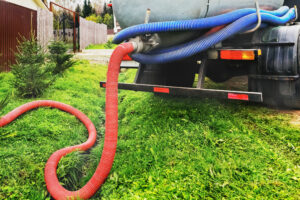
Unlike a septic tank or sewage treatment plant, a cesspit does not treat wastewater and has no outlet or environmental discharge. All waste remains inside the tank until it is removed by a registered waste carrier. A cesspit may be considered where:

  • A connection to the public foul sewer is not practical
  • The site is unsuitable for a septic-tank drainage field
  • A permitted discharge from a treatment plant cannot be achieved
  • The building has limited or intermittent use
  • Planning, environmental or ground constraints rule out another system


Because every litre of wastewater must be stored and removed, the tank needs adequate capacity and reliable access for regular emptying.

/ Our Services

Cesspit Installation, Replacement and Groundworks

New Cesspit Installation

We install sealed cesspits for domestic, agricultural and commercial properties that cannot use a public sewer, septic tank or sewage treatment plant.

The installation can include:

  • Assessment of the proposed tank position
  • Review of tanker and machinery access
  • Excavation and preparation of the installation area
  • Formation of the specified base or anchoring arrangement
  • Supply and positioning of the cesspit
  • Inlet drainage and ventilation connections
  • High-level alarm provision where included
  • Backfilling in accordance with the tank specification
  • Reinstatement of the affected ground
  • Coordination with Building Control where included in the quotation


The tank size and installation method will be selected according to the property’s expected use, site conditions and manufacturer requirements.

Cesspit Replacement and Tank Upgrades

An existing cesspit may need replacing if it is cracked, leaking, structurally damaged, regularly overflowing or no longer large enough for the property’s level of use.

Common reasons for replacement include:

  • Visible damage to the chamber or access cover
  • Groundwater entering the tank
  • Sewage leaking into the surrounding ground
  • More frequent emptying following increased occupancy
  • Damaged inlet pipework or ventilation
  • Unsafe or inadequate access for inspection and emptying
  • An older system that cannot be repaired reliably


We can inspect the accessible parts of the installation, explain the likely cause of the problem and recommend repair, replacement or an alternative off-mains drainage system.

Replacement work can include decommissioning the existing tank, installing the new cesspit, altering the connecting drainage and reinstating disturbed areas.

/Planning

Is a Cesspit Suitable for Your Property?

A cesspit is normally considered where there is no practical mains-sewer connection and the site cannot support another suitable off-mains drainage system. It may be appropriate for:

  • Rural homes with drainage or environmental constraints
  • Holiday accommodation with controlled or intermittent use
  • Temporary or seasonal buildings
  • Farms and equestrian premises
  • Properties without a suitable drainage field
  • Sites where a treated discharge cannot be made


A cesspit may be less practical for a heavily occupied property because all wastewater must be stored and removed by tanker. Water use, tank capacity, emptying frequency, access and ongoing operating costs should therefore be considered before installation.

CJ Groundworks can assess the physical requirements of the site and explain how a cesspit compares with a septic tank or sewage treatment plant.

/ Our Mission

Why Choose CJ Groundworks for Your Cesspit Installation?

35+ Years of Experience

A long-standing reputation built on expert workmanship.

In-House
Team

No subcontractors; we keep all trades under one roof.

Fully Insured &
Guaranteed

No subcontractors; we keep all trades under one roof.

Compliant &
Certified

All works carried out to UK building regs and environmental standards.

Local
Expertise

Proudly serving Sussex, Surrey & Kent.

/ Our Area

Cesspit Installation Areas

We provide cesspit installation in:

Arrange a Cesspit Site Assessment

Planning a new cesspit or concerned about an existing tank?

Call CJ Groundworks on 07881 757877 or send us the property postcode, expected number of users and details of the current drainage arrangement.

We will discuss the project, arrange a site visit where needed and provide a clear quotation for the agreed installation or replacement work. Where a cesspit is unlikely to be practical, we will explain the alternative options available.

/ FAQs

Frequently Asked Questions

A cesspit is a sealed underground tank that collects and stores sewage and wastewater. It doesn’t treat or discharge waste and must be regularly emptied by licensed professionals.

Emptying frequency depends on tank capacity and property usage. Most domestic cesspits require emptying every 2–4 weeks.

Yes — cesspit installations are legal, provided they are watertight, professionally installed, and emptied safely by authorised waste carriers.

Depending on your site, you might consider:

  • Septic tanks with soakaway systems
  • Sewage treatment plants that discharge treated water to a watercourse

CJ Groundworks can help determine the most suitable off-mains drainage option.

The cost of cesspit installation varies based on tank size, access, and ground conditions. We offer fixed-price quotes following a free, no-obligation site survey.

/Our Contact

Ready to break ground?

Get in touch with CJ Groundworks today to discuss your project and receive a free, no-obligation quotation. Our team is here to answer your questions and provide expert advice tailored to your needs.

Address

CJ Groundworks, Lower Batchelors, Emms Lane, Barns Green, West Sussex, RH13 0QH.

Email

Phone

0788 175 7877
Mon – Sat, 9AM – 5PM

Follow Us

This field is for validation purposes and should be left unchanged.

/Our Testimonials

What clients say about us

I contracted CJ Groundworks to install a sewage treatment plant, it was a very pleasant experience dealing with Chris and his ever smiling team. The job was done professionally in time at a reasonable price. The plant is working satisfactorily for 3 months.

Arvind Gulati

After calling round dozens of other contractors and hearing nothing I came across CJ groundwork's and I'm glad I did. They built a big shed base and carried out landscaping work in the garden. They fitted us in at short notice and everything was done to a brilliant standard at a fair......

Ryan Ainsworth

CJ and his sons, Henry and Marcus, did an excellent job fitting our new sewage treatment plant. Friendly, efficient and tidy. I would definitely recommend them for any groundworks.

Richard Jones

Chris and sons installed Aco channel and soakaway. Excellent job done and no hesitation recommending this company. Left the place tidy. Friendly people to deal with.

Ranjinie Fernando

/ From the blog

Related Articles

Cesspit Emptying: Avoiding Problems with Regular Maintenance

Cesspit emptying is essential for properties that rely on off-mains drainage systems. Unlike septic tanks or treatment plants, cesspits simply collect waste without treating it, meaning they must be emptied regularly to function properly. Failing to manage cesspit emptying correctly can lead to serious problems, including overflow, environmental risks and
Read More »
septic tank emptying

Regulations Affecting Septic Tanks and Cesspits in the UK

Introduction Understanding the regulations surrounding septic tanks and cesspits is essential for homeowners in rural parts of Surrey, Sussex, East Sussex and Kent. Properties not connected to mains sewerage must rely on off-mains drainage systems, and these are strictly governed by environmental and building regulations. Choosing between septic tanks and

Read More »
cesspit

Cesspit vs Septic Tank: Which is Right for Your Property?

When it comes to managing wastewater in rural or off-grid properties, two primary systems often come to mind — the cesspit and the septic tank. While both handle household waste, they function very differently and come with their own maintenance requirements and environmental implications. Understanding these differences is essential before

Read More »