Foul water and surface water drainage are two separate types of drainage system, and understanding the difference is important for homeowners, builders, developers and commercial property owners. Both systems move water away from a property, but they deal with very different types of water and must be designed, installed and maintained correctly.
Foul water drainage carries wastewater from toilets, sinks, baths, showers, washing machines, dishwashers and other internal plumbing. Surface water drainage carries rainwater from roofs, driveways, patios, yards and other external areas. Put simply, foul water is used water from inside the property, while surface water is rainwater that falls onto the land or building.
When these systems are misunderstood, poorly connected or badly maintained, problems can quickly follow. These may include blocked drains, unpleasant smells, flooding, waterlogged ground, pollution issues and costly repairs. For domestic, commercial and industrial properties, the right drainage design is essential for safe, reliable and long-lasting performance.
CJ Groundworks provides professional drainage support across Sussex, East Sussex, Surrey and Kent, including foul water drainage systems, surface water drainage systems, soakaways, stormwater systems, drain repairs, CCTV drain surveys and drain jetting.
What Is Foul Water Drainage?
Foul water drainage is the system that removes wastewater from inside a property. This water is considered contaminated because it may contain sewage, food waste, detergents, grease, soap, cleaning products and other household or commercial waste.
In a typical property, foul water comes from:
- Toilets
- Sinks and basins
- Baths and showers
- Washing machines
- Dishwashers
- Utility rooms
- Commercial kitchens and washrooms
Once foul water leaves the building, it must be carried safely to an appropriate disposal point. In many areas, this will be the public sewer. In rural or off-mains locations, it may go to a septic tank, cesspit or sewage treatment plant.
Because foul water can pose hygiene and environmental risks, the drainage system must be properly designed and installed. The pipework needs the correct fall, suitable access points, durable materials and a route that prevents leaks, blockages and cross-connections.
You can find out more about related services on the drainage contractor page.
What Is Surface Water Drainage?
Surface water drainage deals with rainwater. This includes water that lands on roofs, driveways, patios, paths, car parks, yards, gardens and hardstanding areas. Its purpose is to move rainwater away from buildings and surfaces so it does not cause flooding, erosion or standing water.
Surface water may be directed to a soakaway, stormwater system, drainage ditch or another suitable discharge point, depending on the property, soil type, site levels and local drainage requirements.
Good surface water drainage is particularly important where there are large areas of hardstanding. Concrete, tarmac, block paving and compacted surfaces do not absorb water in the same way as open ground. Without a suitable drainage route, rainwater can collect quickly and cause problems around entrances, walls, foundations and garden areas.
For commercial and industrial sites, surface water drainage is also important for safety. Standing water can create slip hazards, damage surfaces and disrupt vehicle access.
The Main Difference Between Foul Water and Surface Water Drainage
The main difference between foul water and surface water drainage is the type of water each system carries.
Foul water drainage carries contaminated wastewater from inside the property. Surface water drainage carries rainwater from outside areas. These two systems should usually remain separate because they have different purposes, risks and disposal routes.
Foul water needs controlled handling because it may contain sewage and harmful waste. Surface water is generally cleaner, although it can still pick up silt, oil, debris and pollutants from roofs, drives or yards. Mixing the two incorrectly can overload drainage systems and may create pollution or compliance issues.
A well-planned drainage system makes sure each type of water is managed in the right way. This protects the property, reduces the risk of blockages and helps avoid unnecessary strain on sewers or off-mains drainage systems.
Why Must Foul Water and Surface Water Be Separated?
Keeping foul water and surface water drainage separate is important for performance, safety and environmental protection. If rainwater is directed into a foul drainage system, the system may become overloaded during heavy weather. This can increase the risk of backing up, overflowing or putting pressure on treatment systems.
For properties with off-mains drainage, this can be a serious issue. A septic tank or sewage treatment plant is designed to handle wastewater from the property, not large volumes of rainwater from roofs and driveways. Adding surface water to these systems can reduce performance, disturb treatment processes and increase the likelihood of problems.
Surface water should also not be contaminated unnecessarily by foul waste. If foul water enters a surface water system, it can cause pollution, bad smells and hygiene risks. This is especially concerning if the water discharges into a ditch, watercourse or soakaway.
Separation is therefore not just a technical detail. It is central to how drainage systems work safely and reliably.
What Happens If Drainage Is Connected Incorrectly?
Incorrect drainage connections can create serious problems. A common issue is surface water being connected to the foul drainage system. During heavy rain, the added water volume can overwhelm the pipes or treatment system. This may result in slow-draining appliances, gurgling sounds, bad smells or wastewater backing up.
Another serious issue is foul water being connected into a surface water system. This can allow contaminated wastewater to discharge into the ground, a ditch or a stormwater system. Aside from the obvious hygiene concerns, this can create environmental problems and may need urgent correction.
Signs of possible drainage connection problems include recurring blockages, foul smells outside, wet patches around drains, overflowing inspection chambers, poor drainage during rainfall or unusually high flows into an off-mains system.
If there is any doubt, a professional drainage inspection can help identify how the system is connected and where the problem lies.
How Foul Water Drainage Works
Foul water drainage relies on properly installed pipework, correct gradients and suitable access points. Wastewater leaves the property through internal plumbing and flows into underground drainage pipes. From there, it travels to the mains sewer or an off-mains system.
Gravity plays a major role in many foul water systems. The pipes need to be laid at the correct fall so waste can move steadily without travelling too slowly or too quickly. If the fall is too shallow, solids may settle and cause blockages. If it is too steep, water may run ahead and leave waste behind.
Access chambers are also important. They allow sections of the drainage system to be inspected, cleaned and maintained. Without proper access, diagnosing or clearing faults becomes more difficult and may involve additional excavation.
For rural properties, foul water may be managed through septic tank installation, cesspit installation or a sewage treatment plant. CJ Groundworks provides support for these off-mains drainage solutions, including septic tank installation, cesspit installation and sewage treatment plant systems.
How Surface Water Drainage Works
Surface water drainage collects rainwater and moves it away from buildings, surfaces and vulnerable areas. This may involve gutters, downpipes, gullies, channel drains, underground pipework, soakaways, French drains or stormwater systems.
The best solution depends on the site. A property with suitable soil and enough space may use a soakaway to allow rainwater to disperse naturally into the ground. A site with poor infiltration may need a different approach. Levels also matter because water will naturally flow to the lowest point unless it is intercepted and directed elsewhere.
A good surface water drainage system should prevent water from pooling around foundations, driveways, patios and entrances. It should also reduce the risk of saturated ground, erosion and localised flooding.
For larger sites, surface water drainage may need to manage rainwater from car parks, yards, roofs and access routes. This requires careful planning so the system can cope with expected rainfall and site use.
Why Drainage Design Matters
Drainage design is not just about installing pipes. It involves understanding the property, the soil, the levels, the expected water volume and the correct discharge route.
Poor drainage design can lead to repeated problems. A pipe may be too small, laid at the wrong gradient or positioned in a way that makes future maintenance difficult. A soakaway may be installed in unsuitable ground. A surface water system may direct water towards a building rather than away from it.
Professional drainage installation helps reduce these risks. It also ensures that practical details are considered from the start, such as access for maintenance, the location of existing services and the relationship between drainage, foundations and landscaping.
This is particularly important on building projects where groundworks and drainage are closely linked. Installing drainage at the right stage can save time, reduce disruption and avoid the need to reopen finished surfaces later.
Foul Water and Surface Water Drainage in New Builds and Extensions
For new builds and extensions, foul water and surface water drainage should be considered early in the planning stage. It is easier to design a reliable drainage layout before excavation and foundation work begins than to adapt the system later.
An extension may affect existing drainage routes. Pipes may need to be diverted, inspection chambers repositioned or additional drainage added to manage roof water. If the project includes a new bathroom, utility room or kitchen, the foul water system must be capable of handling the extra flow.
Surface water drainage is also important. New roofs, patios and driveways can increase the amount of rainwater that needs to be managed. Without suitable drainage, the completed project may suffer from standing water or damp ground around the building.
Working with an experienced groundworks and drainage contractor helps make sure these details are handled properly from the start.
Drainage for Commercial and Industrial Sites
Commercial and industrial properties often have more complex drainage requirements than domestic sites. Larger roof areas, vehicle yards, loading bays, hardstanding and operational wash areas can all affect drainage demand.
Foul water drainage may need to serve staff facilities, workshops, commercial kitchens or process areas. Surface water drainage may need to manage larger volumes of rainfall across hard surfaces. Poor drainage can disrupt operations, create safety risks and damage surfaces over time.
A professional approach is especially important where drainage forms part of a wider groundworks package. Proper excavation, pipe installation, levels and reinstatement all contribute to a drainage system that works reliably under daily use.
CJ Groundworks supports domestic, commercial and industrial clients with groundworks and drainage services across Sussex, East Sussex, Surrey and Kent.
When Should You Call a Drainage Contractor?
You should call a drainage contractor if you are installing a new drainage system, planning an extension, experiencing repeated blockages, seeing standing water, noticing foul smells or buying a property where the drainage layout is unclear.
A drainage contractor can inspect the system, identify faults and recommend practical solutions. Depending on the issue, this may involve drain repairs, CCTV drain surveys, drain jetting, pipe replacement, soakaway installation or changes to the drainage layout.
It is always better to deal with drainage concerns early. Small problems can become more expensive if they are left unresolved, especially where water is affecting foundations, external surfaces or off-mains systems.
FAQs
Can foul water and surface water go into the same drain?
In most cases, foul water and surface water should be kept separate. Foul water carries wastewater from inside the property, while surface water carries rainwater. Incorrect connections can overload systems and create environmental or hygiene problems.
Is rainwater classed as foul water?
No. Rainwater is classed as surface water. It usually comes from roofs, driveways, patios, paths and other outside areas. It should be managed through a suitable surface water drainage system.
What are signs of poor surface water drainage?
Common signs include standing water, waterlogged ground, overflowing gullies, damp areas near walls, erosion, slippery surfaces and rainwater flowing towards the property instead of away from it.
What are signs of foul water drainage problems?
Signs include bad smells, slow-draining toilets or sinks, gurgling sounds, overflowing inspection chambers and recurring blockages. These problems should be investigated promptly.
Can a CCTV drain survey check drainage connections?
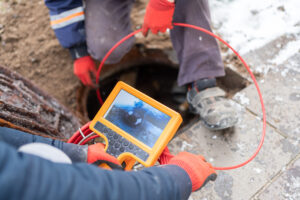
Yes. A CCTV drain survey can help inspect underground pipework, identify defects and understand how sections of the drainage system are connected. This can be useful for fault finding, property purchases and planned works.
Summary
Foul water and surface water drainage serve different purposes. Foul water drainage removes wastewater from toilets, sinks, showers, baths and appliances. Surface water drainage manages rainwater from roofs, driveways, patios, yards and other external areas.
Keeping these systems separate helps prevent flooding, blockages, pollution and unnecessary strain on drainage infrastructure. Whether you are planning a new build, extension, drainage repair or off-mains installation, it is important to get the design and installation right.
For professional drainage systems, repairs, surveys and groundworks across Sussex, East Sussex, Surrey and Kent, contact CJ Groundworks. Call 0140 373 3214 or email chris@cjgroundworks.com to discuss your project.
Phone: 0140 373 3214
Email: chris@cjgroundworks.com
Find out more: https://cjgroundworks.com/