A soakaway is a key drainage solution designed to manage surface water effectively by allowing it to disperse safely into the ground. For many properties, especially in areas without adequate drainage infrastructure, a soakaway provides a reliable way to prevent water build-up and flooding.
Understanding how it works and when it is needed is essential for protecting your property and maintaining effective drainage.
What Is a Soakaway?
A soakaway is an underground drainage system that collects excess surface water and allows it to gradually soak into the surrounding soil.
It is typically constructed using:
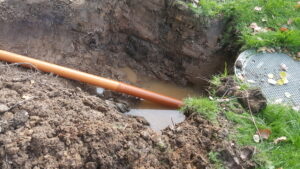
- A pit filled with rubble or modular crates
- Permeable materials that allow water to pass through
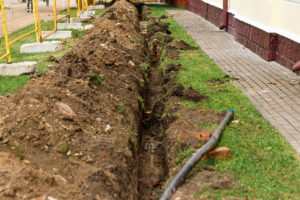
- Pipework directing water into the system
The aim is to store water temporarily and release it slowly into the ground, preventing surface flooding.
How Does it Work?
A soakaway works by capturing water from sources such as roofs, driveways and paved areas.
The process:
- Rainwater flows through drainage pipes
- Water enters the soakaway chamber
- The chamber temporarily stores the water
- Water gradually disperses into the surrounding soil
This controlled release prevents overwhelming drainage systems and reduces the risk of standing water.
When Do You Need One?
Not all properties require a soakaway, but certain situations make it highly beneficial.
Common scenarios include:
- Poor surface water drainage causing pooling
- Properties without access to surface water sewers
- New builds or extensions requiring drainage compliance
- Areas prone to heavy rainfall or waterlogging
- Hard landscaping such as patios and driveways increasing runoff
Real-World Scenario
A homeowner installs a new driveway, replacing a grassed area. After heavy rain, water begins to pool on the surface. Installing a soakaway redirects and disperses the water, preventing flooding and damage.
Benefits of Installing
A well-designed soakaway offers several advantages for property owners.
Key benefits:
- Reduces risk of flooding and standing water
- Prevents water damage to buildings and landscaping
- Supports sustainable drainage practices
- Helps comply with building regulations
- Reduces pressure on existing drainage systems
These benefits make soakaways an effective long-term drainage solution.
How Much Space Is Needed?
The size depends on several factors, including the amount of water it needs to manage and the permeability of the soil.
Factors affecting size:
- Roof or surface area draining into the system
- Soil type and drainage capacity
- Local rainfall levels
- Depth available for installation
In general, they must be positioned:
- A safe distance from buildings
- Away from boundaries where possible
- In areas with suitable soil conditions
Professional design ensures the system is correctly sized and located.
Can a Soakaway Fail?
Like any drainage system, it can fail if not properly designed or maintained.
Common causes of failure:
- Poor soil conditions preventing water absorption
- Blockages from debris or silt
- Incorrect sizing leading to overflow
- Ground compaction reducing permeability
Real-World Example
A poorly designed soakaway is installed in clay-heavy soil. Water cannot disperse effectively, leading to persistent pooling. A redesigned system in a suitable location resolves the issue.
What Happens If You Do Not Install One When Needed?
Ignoring the need for a soakaway can lead to ongoing drainage problems.
Potential issues:
- Surface water flooding
- Damage to driveways and landscaping
- Increased risk of damp affecting buildings
- Erosion of surrounding ground
Installing a soakaway at the right time helps avoid these complications.
Soakaway vs Other Drainage Solutions
A soakaway is not the only drainage option, but it is often the most suitable for managing surface water.
Comparison:
- Soakaway: Best for dispersing rainwater into the ground
- Surface drains: Direct water away but may not solve pooling issues
- Sewer connections: Depend on existing infrastructure
Decision Guidance
- Good option: Minor runoff → simple drainage
- Better option: Moderate water issues → improved drainage system
- Best option: Significant runoff or no sewer access → soakaway
Designing an Effective Soakaway
Proper design is essential to ensure the system works as intended.
Key considerations:
- Soil permeability testing
- Correct sizing based on water volume
- Suitable location away from structures
- Use of high-quality materials
Professional installation ensures reliable performance over time.
For more technical information on drainage and infiltration systems, see
https://en.wikipedia.org/wiki/Stormwater_infiltration
Frequently Asked Questions
Q1: How long does a soakaway last?
If well-installed it can last many years, often decades, depending on soil conditions and maintenance.
Q2: Can a soakaway handle heavy rainfall?
Yes, if it is correctly designed and sized for the property and local conditions.
Q3: Do soakaways require maintenance?
Minimal maintenance is required, but periodic checks help ensure the system remains effective.
Q4: Can I install a soakaway anywhere?
No, location and soil conditions must be suitable for proper drainage.
A soakaway is a simple yet highly effective solution for managing surface water and protecting your property from drainage issues. With proper design and installation, it provides long-term performance and peace of mind.
If you are experiencing drainage problems or planning improvements, contact CJ Groundworks for expert advice.
Phone: 0140 373 3214
Email: chris@cjgroundworks.com
Find out more: https://cjgroundworks.com/