Soakaways are underground drainage systems designed to collect surface water and allow it to gradually disperse into the surrounding ground. They are commonly used to manage rainwater from roofs, driveways, patios, paths, gardens, yards and other hardstanding areas where water needs to be moved away safely.
In simple terms, a soakaway gives rainwater somewhere to go. Instead of allowing water to sit on the surface, run towards a building or overload drainage systems, the water is directed into an underground structure where it can slowly soak into suitable soil. When designed and installed correctly, soakaways can help reduce standing water, waterlogged ground, localised flooding and surface water pressure around a property.
However, soakaways are not suitable for every site. Soil type, ground conditions, available space, water volume and distance from buildings all matter. A poorly installed soakaway can fail quickly, leaving the property with the same drainage problems it was meant to solve. CJ Groundworks provides professional soakaway, drainage and groundworks services across Sussex, East Sussex, Surrey and Kent for domestic, commercial and industrial clients.
What Is a Soakaway?
A soakaway is an underground system that stores rainwater temporarily before allowing it to drain into the surrounding soil. It is usually used for surface water, not foul water. Surface water includes rainwater from roofs, driveways, patios, paths and other external surfaces.
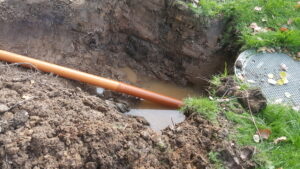
A traditional soakaway may be formed using a pit filled with clean stone or rubble. Modern systems often use specialist soakaway crates wrapped in a membrane. These crates create underground storage space for the water while allowing it to disperse gradually.
The purpose is not to hold water permanently. A soakaway should fill during rainfall and then empty as the water infiltrates into the ground. If it stays full for too long, the ground may not be suitable or the soakaway may be undersized, blocked or poorly installed.
How Do Soakaways Work?
Soakaways work by collecting rainwater through drainage pipes, gullies, channels or downpipes and carrying it to an underground storage area. Once the water enters the soakaway, it is held temporarily and then released into the surrounding soil.
The process depends on the soil being able to absorb water. Free-draining soils such as some sandy or chalky ground may allow water to disperse well. Heavy clay soils, compacted ground or waterlogged areas may drain much more slowly, which can make a soakaway unsuitable or less effective.
A soakaway must be sized correctly for the amount of water it needs to manage. A small roof area and a large driveway will produce very different volumes of surface water. The system also needs to be positioned properly so it does not create problems near buildings, boundaries, slopes or existing drainage systems.
What Are Soakaways Used For?
Soakaways are used to manage surface water where rainwater needs to be moved away from a property or hard surface. They can be used for domestic homes, rural properties, commercial premises and development sites, depending on ground conditions.
Common uses include managing roof water from downpipes, reducing standing water on driveways, improving patio drainage, helping with garden waterlogging, supporting stormwater drainage and handling run-off from hardstanding areas.
They are often considered where there is no easy connection to a surface water sewer or where a site needs a localised drainage solution. They may also form part of a wider drainage system alongside French drains, stormwater systems, gullies or channel drainage.
CJ Groundworks provides soakaways as part of wider drainage services. More information is available on the drainage contractor page.
What Water Can Go Into a Soakaway?
Soakaways are designed for surface water. This means rainwater from roofs, paths, patios, driveways, gardens and similar external areas. They should not be used for foul water from toilets, sinks, showers, washing machines or dishwashers.
Foul water contains wastewater and must be managed through a suitable foul drainage system, mains sewer connection or off-mains drainage solution such as a septic tank, cesspit or sewage treatment plant. Sending foul water to a surface water soakaway would create hygiene, pollution and environmental risks.
Surface water can still carry silt, leaves and debris, so the system should be designed to reduce the risk of blockage. In some situations, silt traps, gullies or suitable access points may be needed so the drainage system can be inspected and maintained.
Why Soil Type Matters for Soakaways
Soil type is one of the most important factors in soakaway performance. A soakaway relies on the surrounding ground absorbing water. If the soil cannot absorb water quickly enough, the system will not work properly.
Sandy or gravelly soils often drain well, making them more suitable for soakaways. Chalk can also drain well in some locations, although ground conditions still need to be checked. Clay soils are usually more difficult because they hold water and drain slowly. If the ground is already saturated, a soakaway may remain full and surface water may back up.
Made ground can also be unpredictable. It may contain rubble, compacted fill, voids or inconsistent layers. One area may drain well while another nearby area does not. This is why proper site assessment is important before deciding whether a soakaway is suitable.
A soakaway should not simply be installed because there is space. The ground must be able to receive the water.
Why Soakaway Location Matters
The position of a soakaway is just as important as the design. A soakaway placed too close to a building can increase moisture around foundations or walls. If it is installed in the wrong part of a sloping site, water may move in an unwanted direction or reappear at the surface.
The location also needs to consider trees, boundaries, existing drains, underground services and future access. If the soakaway becomes blocked or needs inspection, it should not be impossible to reach.
On domestic properties, space can be limited, especially in smaller gardens or where driveways, patios and extensions already occupy much of the plot. On commercial or industrial sites, vehicle access, loading areas and hardstanding may affect the best location.
A professional drainage contractor will consider these practical details before installation.
Soakaway Crates vs Traditional Stone Soakaways
Modern soakaways often use crate systems because they provide a high void ratio, meaning they can store a good volume of water within a compact underground structure. These crates are usually wrapped in a permeable membrane to stop soil entering while allowing water to disperse.
Traditional soakaways may use clean stone or rubble, but these systems usually have less storage space because much of the pit is filled with solid material. They may still be found on older properties, but modern crate systems are often more efficient when correctly specified.
The best option depends on the site, the water volume and the intended use. Whatever system is chosen, excavation, ground preparation, pipe connections and backfilling need to be carried out properly.
Signs a Soakaway Is Not Working Properly
A soakaway should manage rainwater without creating regular surface problems. If it fails, there are usually warning signs.
Common signs include water pooling above the soakaway, overflowing gullies, slow-draining surface water, water backing up from downpipes, soggy or sunken ground, bad smells from trapped stagnant water and flooding after heavy rain.
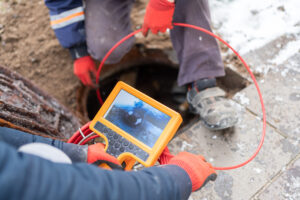
In some cases, the problem is not the soakaway itself but the pipework leading to it. Leaves, silt, roots or damaged drains can stop water reaching the soakaway properly. A CCTV drain survey or drainage inspection may help identify the issue.
Older soakaways can also become blocked with silt over time. If water cannot disperse into the ground, the system may need cleaning, repair, replacement or redesign.
What Happens If a Soakaway Is Poorly Installed?
A poorly installed soakaway can cause more problems than it solves. If it is too small, it may overflow during heavy rain. If it is installed in unsuitable soil, it may fail to drain away. If it is placed too close to a building, it may contribute to damp ground or foundation issues.
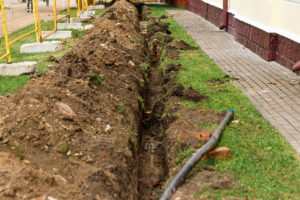
Incorrect pipe falls can also cause problems. Water needs to flow towards the soakaway at a suitable gradient. If the pipework is laid incorrectly, water may sit in the pipes or flow too slowly, allowing silt and debris to build up.
Poor backfilling or compaction can cause settlement above the soakaway. This may leave dips in lawns, driveways or hardstanding areas. On commercial sites, this can create safety and access issues.
The quality of installation matters just as much as the soakaway design.
Soakaways and Driveway Drainage
Driveways often create surface water issues because they are usually covered with hard materials that reduce natural absorption. During heavy rainfall, water can run quickly across the surface and collect near the house, garage, pavement or road.
A soakaway may be used as part of a driveway drainage system if the soil and site are suitable. Channel drains or gullies may collect water and direct it into underground pipework connected to the soakaway.
The surface levels are important. A driveway should not direct water towards the property or neighbouring land. Correct grading and levelling help guide water towards the drainage system.
For larger driveways or commercial hardstanding, the soakaway may need to handle significant water volumes. This makes proper sizing and installation essential.
Soakaways and Roof Water
Roof water is one of the most common sources of surface water for soakaways. Rainwater falls onto the roof, travels through gutters and downpipes, then enters underground drainage.
If roof water is not managed properly, it can collect around walls, patios, garden areas or foundations. A soakaway can help move that water away from the building and disperse it safely into the ground.
However, gutters and downpipes should be maintained. Leaves, moss and debris can block the system and reduce flow. If debris is carried into the soakaway, it may contribute to silting over time.
A well-planned system should consider not only the soakaway but also the roof drainage routes feeding it.
Soakaways, French Drains and Stormwater Systems
Soakaways are one type of surface water drainage solution, but they are not the only option. French drains, stormwater systems, gullies and channel drains may also be used depending on the site.
A French drain is usually a trench filled with clean stone and a perforated pipe, designed to collect and redirect groundwater or surface water. It can be useful for managing wet ground or moving water away from a problem area.
A stormwater system may involve pipes, chambers, attenuation or other features to control rainwater from larger areas. This can be important for commercial, industrial or development sites where water volume is higher.
In some cases, these systems work together. A French drain may collect water from one area and direct it towards a soakaway. Channel drains may collect driveway water and feed it into a stormwater system.
CJ Groundworks can advise on drainage solutions that suit the site rather than forcing a one-size-fits-all approach.
Do Soakaways Need Maintenance?
Soakaways are underground, but they should not be forgotten completely. Maintenance is mainly about preventing silt, leaves and debris from entering the system.
Gutters, gullies and channel drains should be kept clear. Silt traps and inspection points should be checked if fitted. If water starts draining more slowly or pooling on the surface, the system should be inspected before the problem worsens.
Drain jetting or CCTV drain surveys may be useful where pipework is blocked or damaged. If the soakaway itself has failed due to silting, poor ground conditions or age, replacement may be required.
A well-installed soakaway in suitable ground can work effectively for many years, but good drainage maintenance helps extend its performance.
Are Soakaways Suitable for Every Property?
No, soakaways are not suitable for every property. The ground must be able to absorb the water, and there must be enough space to position the soakaway correctly. Sites with heavy clay soil, high groundwater, limited space or poor access may need another drainage solution.
A soakaway may also be unsuitable where the water volume is too high for the available area or where installation would place it too close to buildings, boundaries or existing services.
This is why site assessment is so important. A professional contractor can consider the ground, levels, drainage routes and property layout before recommending a solution.
FAQs
What is the purpose of a soakaway?
The purpose of a soakaway is to collect surface water and allow it to gradually disperse into the surrounding ground. It helps reduce standing water, waterlogging and surface water run-off.
Can a soakaway take toilet waste?
No. A soakaway should not take toilet waste or other foul water. It is designed for surface water, such as rainwater from roofs, driveways and patios.
How do I know if my soakaway is blocked?
Signs of a blocked or failing soakaway include standing water, overflowing drains, slow surface water drainage, soggy ground and water backing up from gullies or downpipes.
Do soakaways work in clay soil?
Soakaways often perform poorly in heavy clay because clay drains slowly and holds water. A professional assessment is needed to decide whether a soakaway is suitable.
Who installs soakaways?
A drainage or groundworks contractor can install soakaways. CJ Groundworks provides soakaway installation and wider drainage services across Sussex, East Sussex, Surrey and Kent.
Summary
Soakaways are underground drainage systems that manage surface water by storing rainwater and allowing it to soak gradually into the surrounding ground. They can be effective for roofs, driveways, patios, gardens and hardstanding areas, but only when the site conditions are suitable.
Soil type, drainage volume, location, pipework, access and installation quality all affect performance. A soakaway installed in the wrong ground or in the wrong position can fail quickly and may create further drainage problems.
For soakaways, surface water drainage, stormwater systems, French drains, drain repairs and wider groundworks across Sussex, East Sussex, Surrey and Kent, contact CJ Groundworks. Call 0140 373 3214 or email chris@cjgroundworks.com to discuss your project.