For rural or off-grid properties in Kent not connected to the mains drainage system, a sewage treatment plant installation Kent offers an efficient, eco-friendly, and fully compliant solution for managing wastewater. These systems treat waste to a much higher standard than traditional septic tanks, producing cleaner effluent that’s safe for discharge into the environment.
At CJ Groundworks, we provide professional sewage treatment plant installation Kent, ensuring every project meets strict UK environmental and building regulations. This guide explains how sewage treatment plants work, the installation process, costs, and key legal requirements.
1. What Is a Sewage Treatment Plant?
A sewage treatment plant is a self-contained system that biologically and mechanically treats wastewater from homes or commercial premises. Using aeration and filtration, it removes contaminants before safely discharging the treated water into the ground or a watercourse (where permitted).
Main Components:
- Primary settlement chamber: Separates solids from liquids.
- Aeration chamber: Introduces oxygen to support bacteria that break down waste.
- Final settlement chamber: Allows clean effluent to clarify before release.
A properly installed sewage treatment plant in Kent ensures that wastewater treatment complies with Environment Agency standards, protecting your property and the local ecosystem.
2. Benefits of Installing a Sewage Treatment Plant in Kent
Choosing a sewage treatment plant installation Kent provides numerous advantages over traditional drainage options.
Key Benefits:
- Environmentally friendly – produces clean, safe effluent.
- Fully compliant with UK regulations.
- Low maintenance – requires infrequent emptying.
- Long-lasting – quality systems can operate for decades.
- Cost-effective – reduced maintenance and environmental risks.
CJ Groundworks designs and installs systems tailored to each property’s drainage layout and ground conditions, ensuring optimal performance and compliance.
3. The Sewage Treatment Plant Installation Kent Process
Sewage treatment plant installation Kent must be carried out by trained professionals to ensure safety, efficiency, and full regulatory compliance.
Our Installation Process:
- Site Survey and Assessment: We evaluate your soil type, drainage flow, and property layout.
- System Design and Planning: Our engineers design a system that meets your property’s wastewater capacity and complies with UK standards.
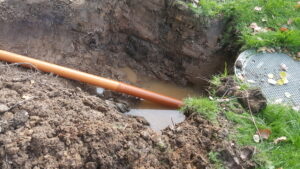
- Excavation and Ground Preparation: We excavate and prepare a stable base for the plant and pipework.
- System Installation: The treatment plant is positioned, connected, and anchored securely.
- Backfilling and Commissioning: The area is backfilled, and the system is tested for efficiency.
- Aftercare and Maintenance: We offer scheduled servicing and inspections to maintain long-term reliability.
Learn more about our sewage treatment plant services in Kent.
4. Legal Requirements for Sewage Treatment Plants
In the UK, sewage treatment plant installations are subject to strict environmental and building regulations. CJ Groundworks ensures every installation in Kent meets or exceeds these standards.
Key Legal Considerations:
- Environment Agency General Binding Rules: Systems must be installed correctly and maintained regularly to prevent pollution.
- Planning Permission: Usually not required, but you must inform your local council.
- Building Regulations (Part H): Systems must be approved under the Building Regulations 2010.
- Discharge Permit: Required for systems discharging into watercourses.
We handle all aspects of compliance so your system meets both environmental and safety obligations.
5. Cost of Sewage Treatment Plant Installation in Kent
The cost of sewage treatment plant installation Kent varies based on property size, soil type, and design complexity.
Typical Price Guide (2025):
- Small domestic systems: £4,000 – £6,000
- Medium systems: £6,000 – £9,000
- Large or commercial systems: £10,000+
While installation costs are higher than for septic tanks, sewage treatment plants offer cleaner performance, lower maintenance, and long-term savings.
6. Why Choose CJ Groundworks in Kent
CJ Groundworks is a trusted drainage and groundworks contractor with extensive experience installing sewage treatment plants across Kent.
Our Services Include:
- Complete sewage treatment plant design, installation, and maintenance
- Septic tank replacements and upgrades
- Soakaway and drainage field installation
- Full compliance with UK environmental and building laws
- Expert advice for residential and commercial projects
With CJ Groundworks, you’re guaranteed a professional installation, quality materials, and a system built to last.
7. Maintaining Your Sewage Treatment Plant
After your installation, regular servicing keeps your system efficient and compliant.
Maintenance Tips:
- Have your system serviced annually.
- Use only biological or septic-safe cleaning products.
- Avoid flushing wipes, fats, and harsh chemicals.
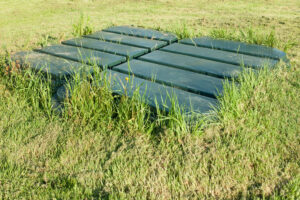
- Keep access lids and air vents clear.
CJ Groundworks provides ongoing maintenance plans throughout Kent to ensure your system runs smoothly all year round.
Invest in a Professional Sewage Treatment Plant Installation
A sewage treatment plant installation Kent is a long-term investment that safeguards your property, the environment, and your compliance with UK law. With expert design, installation, and maintenance from CJ Groundworks, you can rely on an efficient and durable system tailored to your needs.
Contact our team today to discuss your requirements or request a quote.
Phone: 0788 175 7877
Email: chris@cjgroundworks.com | henry@cjgroundworks.com
Sewage Treatment Plant Installation Kent FAQs
Q1: How long does sewage treatment plant installation Kent take?
A1: Most installations take between 3–5 days, depending on ground conditions, tank size, and access.
Q2: Do I need planning permission for sewage treatment plant installation?
A2: Generally not, but you must inform your local authority and follow Building Regulations.
Q3: How often should my sewage treatment plant be serviced?
A3: Servicing once a year ensures the system continues to run efficiently and remain compliant with regulations.