Drain repair becomes essential when early warning signs are ignored or when problems go beyond simple blockages. While minor issues can sometimes be resolved with basic maintenance, many drainage problems require professional assessment to prevent long-term damage.
Understanding when to call in specialists can help you avoid costly repairs, protect your property, and keep your drainage system working efficiently.
Early Warning Signs of Drain Problems
Drainage systems rarely fail without warning. In most cases, there are clear signs that something is wrong.
Common indicators include:
- Slow-draining sinks, toilets or external gullies
- Unpleasant smells coming from drains
- Gurgling noises in pipes
- Frequent blockages in the same location
- Damp patches or subsidence near drainage lines
These issues often point to underlying problems such as cracks, blockages or root intrusion that require proper drain repair.
When DIY Fixes Are Not Enough
It is tempting to try and fix drainage issues yourself, especially when they seem minor. However, DIY solutions are often temporary and can sometimes make the problem worse.
Situations where DIY is unlikely to work:
- Recurring blockages despite repeated clearing
- Water backing up into sinks or toilets
- Outdoor flooding near drains
- Suspected structural damage to pipes
Professional drain repair uses specialist equipment to diagnose and fix the root cause rather than just treating the symptoms.
What Causes Drain Damage?
Understanding the cause of the issue helps determine the right repair approach.
Common causes include:
- Tree root intrusion
Roots grow into pipes searching for moisture, causing cracks and blockages - Ground movement
Soil shifts can misalign or break drainage pipes - Pipe corrosion or ageing
Older materials deteriorate over time - Heavy loads above drains
Vehicles or structures can damage underground pipes
Each of these problems typically requires targeted drain repair rather than simple clearing.
Real-World Scenario
A homeowner notices that their kitchen sink is slow to drain and occasionally backs up. After using off-the-shelf drain cleaners several times, the problem returns repeatedly.
A professional inspection reveals tree roots have entered the pipe and caused a partial blockage. A proper drain repair involving root removal and pipe relining resolves the issue permanently.
Without this intervention, the damage would likely have worsened, leading to a full pipe collapse.
What Happens If You Ignore Drain Problems?
Delaying drain repair can lead to more serious issues that are both disruptive and expensive.
Potential consequences:
- Minor cracks turning into collapsed pipes
- Sewage backing up into the property
- Water damage to foundations and surrounding ground
- Increased repair costs due to escalation
- Health risks from contaminated water
Early action is always more cost-effective than dealing with a major failure later.
How Quickly Should You Act?
The urgency of drain repair depends on the severity of the issue, but in most cases, prompt action is recommended.
General guidance:
- Immediate action required: flooding, sewage backup, strong odours
- Short-term action needed: recurring blockages, slow drainage
- Monitor but plan inspection: occasional minor issues
Addressing problems early prevents them from developing into larger structural faults.
How Professionals Diagnose Drain Issues
One of the key advantages of hiring a specialist is accurate diagnosis.
Common diagnostic methods:
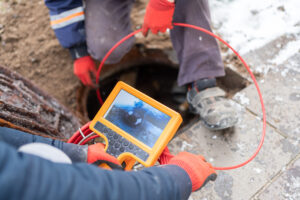
- CCTV drain surveys to inspect internal pipe condition
- High-pressure jetting to clear and assess blockages
- Structural assessments for collapsed or misaligned pipes
These methods ensure the correct type of drain repair is carried out efficiently.
For further reading on how drainage systems function, see
https://en.wikipedia.org/wiki/Drainage
Repair Methods Used by Professionals
Once the issue is identified, different repair techniques may be used depending on the damage.
- Patch repairs for isolated cracks
- Drain relining to reinforce internal pipe structure
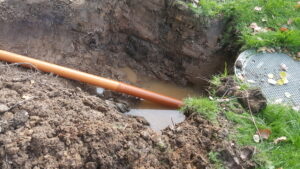
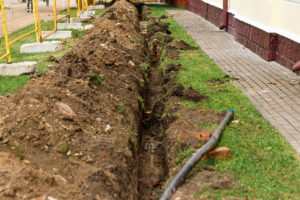
- Excavation for severely damaged sections
- Root removal and preventative treatments
Choosing the right method ensures long-lasting results and reduces the risk of repeat issues.
Making the Right Decision
Not every drainage issue requires major work, but knowing when to act is key.
Call a professional if you notice:
- Persistent or worsening drainage problems
- Signs of structural damage
- Repeated need for temporary fixes
- Any risk of flooding or contamination
Professional drain repair provides a long-term solution rather than a short-term fix.
Frequently Asked Questions
Q1: How do I know if I need professional drain repair?
If problems keep returning or you notice structural signs like subsidence or odours, professional repair is usually required.
Q2: Can blocked drains always be fixed without repair?
Not always. If there is underlying damage, clearing the blockage will not solve the problem permanently.
Q3: How long does drain repair take?
Minor repairs can often be completed in a day, while more complex issues may take longer depending on access and damage.
Q4: Is professional drain repair expensive?
Costs vary, but early repairs are usually far cheaper than dealing with major system failure.
Drainage issues rarely resolve themselves, and acting early is the best way to avoid disruption and expense. Whether it is a minor fault or a more serious issue, professional assessment ensures the correct solution is applied.
If you are experiencing drainage problems or want expert advice, contact CJ Groundworks today.
Phone: 0140 373 3214
Email: chris@cjgroundworks.com
Find out more: https://cjgroundworks.com/