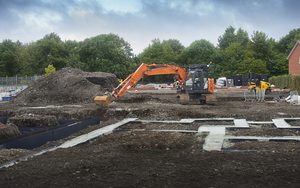
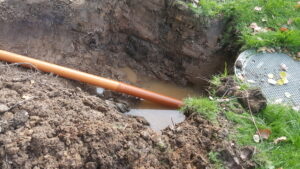
Before excavation begins, several important checks are needed to establish whether the proposed work can be carried out safely and according to the construction requirements. These include identifying underground services, assessing ground conditions, checking nearby structures, reviewing site access and confirming the excavation design.
The checks before excavation are especially important because many potential problems are hidden beneath the surface. An area of apparently undisturbed ground could contain electrical cables, drainage pipes, buried foundations or unsuitable soil.
For homeowners planning an extension, these issues can affect costs and construction timescales. For commercial developers, they may influence machinery selection, site safety arrangements and the sequence of work.
A properly planned excavation is not simply about digging to the correct dimensions. It is about understanding what is already present, what needs protecting and how the excavation can be completed without creating unnecessary risks.
What Should Be Checked Before Digging Begins?
The first stage is establishing exactly what needs to be excavated and identifying anything that could interfere with the proposed work.
The Health and Safety Executive (HSE) identifies several important excavation hazards, including collapsing ground, falling materials, underground services, water entering excavations and undermining nearby structures.
Its guidance makes clear that these risks should be considered during planning rather than dealt with only after excavation has started.
For a typical construction project, the initial assessment should establish:
- The position, dimensions and intended purpose of the excavation.
- The location of underground pipes, cables and other services.
- The nature and stability of the ground.
- The proximity of existing buildings, walls and foundations.
- The presence of groundwater or surface water.
- Access arrangements for machinery and material removal.
- The required safety precautions and any relevant inspections.
The amount of investigation needed will depend on the complexity of the work. A shallow excavation in an open area presents different challenges from foundation trenches immediately beside an existing building.
However, even relatively small excavations should not begin without considering buried services and ground stability.
How Do You Check for Underground Pipes and Cables?
Locating underground services is one of the most important parts of excavation planning.
Electricity cables, gas pipes, water supplies, telecommunications cables and drainage infrastructure may all be present beneath a proposed work area.
Damaging these services can cause serious injuries, interrupt essential supplies and result in expensive repairs.
Checking existing service records
The starting point is to obtain relevant plans or information from utility providers, site owners and other organisations responsible for buried services.
For example, a homeowner planning an extension might need to establish whether electricity or gas supplies pass through the proposed excavation area.
Existing drainage drawings may also help identify foul water and surface water pipes serving the property.
However, service plans have limitations.
Records may be incomplete, positions may be approximate and privately installed services might not appear on utility providers’ drawings.
An older property may also have undergone alterations that are not fully documented.
Plans should therefore be regarded as an important source of information, not definitive proof that a particular area is clear.
Using appropriate locating equipment
Where underground services may be present, competent personnel should use suitable locating equipment to help establish their positions.
Cable locators and other appropriate detection methods can assist with identifying buried infrastructure.
However, no single detection method is guaranteed to locate every service in every ground condition.
Equipment must be used correctly, and the results should be interpreted alongside service records and other available information.
The HSE’s HSG47 guidance on underground services identifies three essential elements of safe excavation: planning the work, locating and identifying buried services, and using safe excavation methods.
Where necessary, carefully controlled trial excavations may be required to confirm the position of services before nearby mechanical excavation proceeds.
Why visual assumptions are dangerous
The absence of visible cables or inspection chambers does not mean that underground services are absent.
For example, an electrical supply to a garden building may have been buried during previous landscaping.
A drainage pipe may cross the garden rather than following the most direct route to the road.
Excavation machinery can damage these services before the operator realises they are present.
For this reason, the possibility of buried infrastructure should be considered even on apparently straightforward domestic sites.
Why Must Ground Conditions Be Assessed Before Excavation?
The type and condition of the soil influence how excavation can be undertaken safely.
Different soils behave differently when disturbed. Some remain relatively stable under certain conditions, while others may collapse, soften or lose stability when exposed.
Ground conditions also affect the suitability of the exposed formation for foundations and other structures.
Soil type and excavation stability
Clay, sand, gravel and made ground can present different excavation challenges.
For example, granular soils may be prone to running or collapsing when unsupported, particularly when water is present.
Some cohesive soils may initially appear stable but can deteriorate when exposed to rainfall, vibration or changing moisture conditions.
Made ground may contain a mixture of materials with inconsistent characteristics.
This means the appearance of an excavation immediately after digging does not establish that it will remain safe.
The excavation method and any required temporary support must reflect the conditions encountered.
Previously disturbed ground
Sites that have undergone earlier development or landscaping may contain buried materials, voids or poorly compacted fill.
Consider a homeowner planning to build an extension on land previously occupied by a garage.
The proposed excavation could uncover old concrete foundations, rubble or other buried obstructions.
These discoveries may affect excavation progress and could require additional material removal or design consideration.
Identifying the history of a site before work begins can help contractors anticipate such complications.
Where significant uncertainty exists, appropriate ground investigation may be necessary.
When ground investigation is required
Not every small excavation needs an extensive geotechnical investigation.
However, projects involving uncertain ground conditions, significant structural loads, suspected contamination or previous ground movement may require specialist assessment.
For building foundations, the designer must establish that the proposed foundation arrangement is appropriate for the supporting ground.
The groundworks contractor then needs suitable information to carry out the excavation according to the relevant specification.
If unexpected conditions are discovered, the correct response may be to stop the affected work and seek further design or engineering advice rather than simply continuing to the original dimensions.
Can Excavation Affect Nearby Buildings and Foundations?
Excavation close to existing structures requires particular attention because removing soil can reduce the support available to foundations, walls and other construction elements.
This is relevant to house extensions, drainage trenches and work taking place near neighbouring properties.
Excavating beside an existing house
A proposed extension may require excavation alongside the foundations of the original building.
The contractor needs to understand the relationship between the new excavation and the existing foundation.
If soil is removed from a location that contributes to the support of the original structure, movement or instability may result.
The appropriate working method depends on foundation levels, ground conditions and the proposed construction.
Where necessary, a structural engineer should assess the situation and specify suitable precautions.
Boundary walls and retaining structures
Garden walls can be particularly vulnerable because some have relatively shallow foundations.
A trench that appears small compared with the wall’s height could still remove important supporting ground.
Retaining walls introduce additional considerations because they may be resisting significant pressure from the soil behind them.
The HSE specifically warns that excavations must not undermine nearby structures, including garden and boundary walls.
Its excavation safety guidance explains that foundation surveys and structural engineering advice may be necessary before excavation proceeds.
Neighbouring properties and shared boundaries
Excavation near adjoining buildings or shared boundaries may also raise Party Wall etc. Act 1996 considerations.
Whether the Act applies depends on the location and nature of the proposed work, including certain excavations close to neighbouring structures.
For example, some excavation work within three metres of a neighbouring building may fall within the Act’s requirements, depending on the relative foundation depths and other conditions.
A distance of three metres does not automatically mean every excavation requires notice, and other distance-based provisions may also be relevant.
Where work could fall within the legislation, the requirements should be checked before excavation begins.
This is particularly important when planning extensions close to neighbouring properties.
What Safety Arrangements Are Needed Before Excavation?
An excavation can become hazardous even when it is relatively shallow.
The risk depends on factors such as ground stability, surrounding activity, water conditions and whether people need to enter the excavation.
Appropriate safety arrangements must be established before the work starts.
Preventing excavation collapse
Excavation sides may need suitable support, sloping or another appropriate protective arrangement to prevent collapse.
The correct method depends on the excavation depth, soil conditions and other hazards.
It is unsafe to assume that a trench is stable simply because its sides have remained upright for several hours.
Changes in moisture, vibration or loading near the edge can alter its stability.
A competent person must assess the risks and ensure suitable precautions are in place.
Where the regulations require inspections of excavation supports or battering, these must be carried out at the specified times, including before relevant work begins.
Preventing falls into excavations
Open excavations can create a fall hazard for workers, visitors and members of the public.
Suitable barriers, covers or other protective measures may be required.
This is particularly important on domestic building sites where residents may continue to occupy the property while construction takes place.
Children, pets and visitors must also be considered when controlling access to the work area.
Excavations should not be left accessible simply because work has finished for the day.
Keeping materials away from excavation edges
Excavated soil, construction materials and machinery can place additional loads on the ground beside a trench.
If positioned too close, these loads may contribute to instability.
The safe positioning of spoil heaps and equipment therefore needs to be considered as part of the excavation plan.
There is no single safe distance suitable for every excavation because ground conditions, trench dimensions and loading vary.
The working arrangement must be assessed for the circumstances.
Providing safe access
Where workers need to enter an excavation, suitable access and exit arrangements are necessary.
The method used depends on the depth, configuration and hazards involved.
Access arrangements should be established before entry, rather than relying on workers climbing over unsupported trench edges.
The need for emergency arrangements should also be considered as part of the work planning.
How Can Groundwater and Drainage Affect Excavation?
Water is an important consideration because it can change ground conditions, complicate working arrangements and affect the suitability of an excavation for subsequent construction.
There are two main issues to consider: water already present in the ground and water entering the work area from rainfall or surrounding surfaces.
Groundwater entering trenches
Groundwater may enter an excavation when digging reaches or intersects the local groundwater level.
The amount of water can vary according to the ground conditions and the time of year.
In some circumstances, water entering a trench may make excavation more difficult or reduce the stability of exposed soil.
A suitable approach to water management must therefore be established where groundwater is anticipated.
The method may require specialist advice depending on the circumstances.
Rainwater and surface runoff
Even where groundwater is not a problem, heavy rainfall can affect excavation.
For example, a trench positioned at the bottom of a sloping garden may collect water flowing from higher ground.
This can create muddy working conditions, erode exposed surfaces and introduce additional stability concerns.
Temporary drainage or water-control measures may be necessary to prevent runoff entering the excavation.
However, collected water must be managed responsibly rather than discharged indiscriminately onto neighbouring land or into unsuitable drainage systems.
Existing drainage pipes
Before excavating, the location of existing foul water and surface water pipes should be considered.
A drainage pipe crossing the proposed foundation area may require protection, alteration or further design consideration.
Where an excavation involves an existing off-mains drainage system, the location of tanks, pipework and associated infrastructure may also affect the working method.
CJ Groundworks provides excavation, foundations and drainage services, including off-mains drainage installations. This combination of activities makes drainage considerations relevant to several types of groundwork project, particularly where underground systems and structural excavation share the same site.
Why Should Site Access Be Checked Before Work Starts?
Access affects the type of equipment that can be used and the practical arrangements for completing the excavation.
A large open development site may accommodate conventional excavation machinery and material-handling vehicles.
A domestic extension at the rear of a terraced house presents very different constraints.
Machinery access
Before work starts, the contractor should establish whether suitable machinery can reach the excavation area.
Narrow gateways, steps, retaining walls, overhead obstructions and changes in level may restrict access.
If machinery cannot reach the site, alternative methods may be necessary.
These could increase the amount of manual handling or require smaller equipment, depending on the project.
Removing excavated materials
Excavation produces material that must be handled and, where necessary, removed.
Before digging begins, consider where excavated soil can be placed safely and whether removal vehicles can access the site.
Material should not be stored where it creates instability, obstructs safe access or interferes with drainage.
Its disposal must also comply with applicable waste requirements.
Planning these arrangements early can prevent excavation work from stopping because there is nowhere suitable to place additional material.
Protecting the surrounding property
Domestic excavation may take place close to established gardens, driveways, fences and existing buildings.
The working plan should consider how equipment and materials will move through these areas.
For example, a route across an existing driveway may need assessment to establish whether the surface can withstand the proposed equipment and loading.
Similarly, access through a narrow side passage may require precautions to protect adjacent structures.
Identifying these practical constraints before mobilisation can reduce unnecessary disruption.
What Drawings and Approvals Should Be Checked?
Before excavation starts, the project team should establish what information and approvals are required for the proposed work.
The details vary depending on whether the excavation is for foundations, drainage, site levelling or another purpose.
Foundation and construction drawings
For structural work, the relevant drawings and specifications should establish the proposed excavation requirements.
These may include foundation dimensions, levels, positions and construction details.
Where the design requires engineering input, this should be resolved before the contractor undertakes the affected work.
Contractors should not be expected to determine structural foundation requirements through guesswork.
Building Regulations and inspections
Foundation work associated with buildings may require Building Regulations approval and inspection.
The relevant building control arrangements should be established before work begins.
For example, foundation excavations may need to be inspected before concrete is placed.
The Planning Portal’s site inspection guidance explains that inspections can be required at specific construction stages, including foundation excavation before it is covered.
The project team should confirm the applicable notice and inspection arrangements with its building control provider.
Other relevant permissions
Depending on the site and proposed work, other permissions or agreements may be required.
These might relate to drainage connections, work near public sewers, protected trees, neighbouring property or the location of the proposed development.
Not every excavation requires planning permission in its own right.
However, excavation undertaken as part of a development should not begin until the necessary permissions and other applicable requirements have been established.
A Practical Pre-Excavation Checklist
Before work begins, it is useful to bring the main considerations together.
The following checklist can help homeowners and project managers discuss the proposed work with their contractor. It does not replace a site-specific risk assessment or professional design.
| Check | Why it matters |
|---|---|
| Excavation drawings and specifications | Establishes what needs to be excavated |
| Underground service records and detection | Reduces the risk of damaging buried infrastructure |
| Ground conditions | Helps identify stability and construction concerns |
| Nearby buildings and foundations | Prevents excavation from undermining existing structures |
| Groundwater and surface drainage | Establishes whether water-control measures are necessary |
| Machinery and site access | Determines how work can be undertaken |
| Excavated material management | Prevents unsafe storage and avoidable delays |
| Safety precautions | Controls collapse, fall and other excavation hazards |
| Permissions and inspections | Helps ensure relevant requirements are addressed |
The purpose of these checks is to establish what is known, what remains uncertain and what needs resolving before excavation can proceed safely.
Frequently Asked Questions
Do you need a survey before digging foundations?
Not every project requires the same type of survey. However, the foundation design must be suitable for the ground conditions, and appropriate checks for underground services and nearby structures are necessary. More complex or uncertain sites may require formal ground investigation.
How do you find old drainage pipes before excavation?
Existing drainage drawings and inspection chambers may help establish likely pipe routes. Where necessary, specialist investigation or CCTV drain surveys can provide further information. The exact position of pipes may still need to be confirmed through suitable excavation methods.
Can excavation start if underground service plans are unavailable?
The absence of plans does not mean the area is safe. Additional precautions and investigation are necessary. HSE guidance states that where relevant records cannot be obtained, excavation should proceed on the assumption that buried services may be present.
Who is responsible for excavation safety?
Responsibilities depend on the project arrangements and applicable health and safety legislation. Clients, designers, principal contractors, contractors and other dutyholders may all have relevant responsibilities. Excavation must be planned and managed by competent people using appropriate precautions.
What happens if unexpected ground conditions are discovered?
The affected work should be reassessed before continuing where the discovery changes the safety risks or construction requirements. A structural engineer, designer or other relevant specialist may need to review the conditions and determine whether changes are required.
Why Preparation Matters Before the First Excavation
The most important excavation checks take place before machinery begins removing soil.
Underground services, unstable ground, existing foundations, water conditions and restricted access can all affect how the work should proceed. Some issues influence construction costs, while others create serious safety risks if they are overlooked.
A clear understanding of the site allows excavation methods, equipment, inspections and construction arrangements to be planned around the actual conditions.
For homeowners and developers, this provides a more reliable basis for budgeting and scheduling the work, while reducing the risk of avoidable disruption.
CJ Groundworks is a family-run company with over 35 years of experience, providing site preparation, excavation, building foundations and drainage services throughout Sussex, Surrey and Kent.
If you are planning an extension, new building or other project requiring excavation, CJ Groundworks can discuss the proposed groundwork requirements and the practical considerations involved.
Phone: 0140 373 3214
Email: chris@cjgroundworks.com
Find out more: https://cjgroundworks.com/