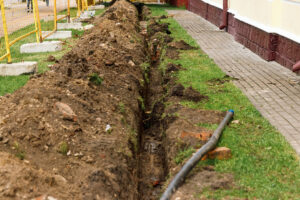
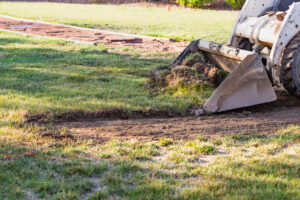
Knowing when to hire a groundworks contractor can make a significant difference to the success of a building project. Whether you are planning a house extension, preparing land for a new structure or installing underground drainage, the work beneath the surface often determines how smoothly everything else progresses.
A professional groundworks contractor is usually worth involving when a project requires substantial excavation, structural foundations, changes to drainage or preparation of ground that must support a permanent structure. Their involvement becomes particularly important where soil conditions, existing services or site access could complicate the work.
However, not every project requires the same level of specialist support, and knowing when to seek professional advice can help avoid unnecessary costs as well as potentially expensive mistakes.
Which Projects Require a Professional Groundworks Contractor?
Groundworks cover a broad range of activities, from clearing and levelling land to excavating foundations and installing drainage systems. The need for professional involvement depends on the complexity of the work, the conditions on site and the consequences if something goes wrong.
Building a house extension
An extension is one of the clearest examples of a project where professional groundworks are normally required.
Before construction can begin, the proposed building needs suitable foundations. This involves excavating to the required dimensions and preparing the ground in accordance with the structural design and applicable Building Regulations.
Several factors can influence the work, including the type of soil, nearby trees, existing foundations and underground drainage.
For example, an extension built close to an existing house may require careful excavation to avoid disturbing the original foundations. Ground conditions may also differ across a relatively small site.
The foundation design should be established by the appropriate professionals, with the groundworks contractor carrying out the excavation and preparation to the specified requirements.
Engaging a contractor before the building programme is finalised helps ensure that this essential work is properly accounted for.
Preparing land for new buildings
New buildings require more than a visually level piece of land.
Before foundations or concrete structures can be installed, the ground may need clearing, excavating, levelling or further assessment.
A site that appears firm and stable at the surface may contain unsuitable fill, variable soil conditions or buried obstructions.
Professional groundworks become particularly important when the project involves significant changes to ground levels, substantial excavation or preparation for structural loads.
For larger domestic, commercial and industrial developments, ground preparation must also be coordinated with drainage arrangements and the wider construction programme.
Installing underground drainage
Drainage work is another common reason to appoint a specialist contractor.
Underground drainage depends on correct pipe positioning, suitable gradients, appropriate bedding and properly planned discharge arrangements.
A poorly installed system can create problems that are difficult to identify once trenches have been backfilled and the surrounding area has been finished.
Professional involvement is particularly valuable when installing foul water drainage, surface water systems, soakaways or off-mains wastewater infrastructure.
Properties without a mains sewer connection may require a septic tank, cesspit or sewage treatment plant. These systems bring additional considerations involving ground conditions, available space and regulatory requirements.
For this reason, drainage installations should be properly designed and assessed before excavation begins.
Constructing concrete bases
Concrete bases for sheds, garages and garden rooms can appear straightforward, but the ground preparation is important.
A stable concrete base needs appropriate support beneath it. If unsuitable material remains below the concrete or the sub-base is poorly prepared, the finished surface may be vulnerable to movement and cracking.
Professional installation becomes more valuable when the proposed base is large, the ground slopes significantly, drainage is problematic or the structure will impose substantial loads.
A small, lightweight garden shed on suitable ground presents very different requirements from a substantial garden room or garage.
The decision should therefore reflect the proposed structure and site conditions rather than simply the area of concrete being laid.
How Early Should You Involve a Groundworks Contractor?
The best time to involve a contractor is generally before construction begins, once the proposed work is sufficiently defined to discuss its practical requirements.
This does not mean that excavation should start immediately. Instead, early involvement allows potential challenges to be considered before they disrupt the project.
During the planning and design stage
For extensions and new buildings, the groundwork requirements are closely connected to the design.
Foundation specifications, drainage layouts and proposed ground levels may influence how the work is carried out.
If excavation access is restricted or existing drainage needs alteration, these issues should be understood before the construction programme is agreed.
A contractor can provide practical input on how the specified works might be undertaken, although structural design and other specialist decisions must remain with appropriately qualified professionals.
This distinction matters because the person carrying out the excavation is not necessarily responsible for determining the engineering design.
Before obtaining quotations
Groundworks quotations are more meaningful when contractors have accurate information about what is required.
For example, asking for a price to excavate extension foundations without providing dimensions, depths or relevant drawings can result in estimates based on assumptions.
If the final design requires deeper excavation, additional concrete or changes to drainage, the cost may change substantially.
Providing drawings, site information and details of known obstacles helps contractors assess the scope more accurately.
It is also worth clarifying whether quotations include excavated material removal, drainage alterations, concrete work and any necessary temporary excavation support.
Before other trades are scheduled
Groundworks often determine when subsequent building activities can begin.
Foundation excavation, inspections, drainage installation and concrete work may all need to be completed in a particular sequence.
If the contractor is appointed too late, the building programme may depend on work that has not yet been assessed or scheduled.
Planning these activities in advance can reduce unnecessary disruption and improve coordination between contractors.
What Makes Groundworks Too Complex for DIY?
Some basic site preparation activities may be manageable for homeowners. However, the distinction between straightforward ground clearance and specialist groundworks is not always obvious.
The most important consideration is what could happen if the work is completed incorrectly.
Excavation near buildings or underground services
Digging close to an existing property can be particularly sensitive.
Excavating alongside foundations may remove ground that contributes to their support, potentially causing movement or instability.
There is also the possibility of striking underground electricity cables, gas pipes, water supplies or drainage infrastructure.
The Health and Safety Executive’s guidance on avoiding danger from underground services identifies three essential elements of safe excavation: planning the work, locating buried services and using safe excavation methods.
These precautions matter even for work that appears relatively small.
Underground services may not follow obvious routes, and existing plans do not always establish their exact positions.
Where significant excavation or buried services are involved, professional assessment and appropriate safety precautions are essential.
Structural foundations
Foundations transfer the weight of a structure into the ground.
Their design must account for the loads involved and the properties of the supporting soil.
For example, clay soils can expand and contract as their moisture content changes. Nearby trees may influence these changes by drawing moisture from the ground.
The Planning Portal’s foundation guidance identifies soil conditions, adjacent structures and trees among the factors that influence foundation design.
A homeowner may be able to dig a trench, but that does not establish whether the trench has the correct dimensions, suitable bearing conditions or adequate protection against ground movement.
The important issue is not simply completing the excavation. It is ensuring that the foundations are designed, prepared and constructed correctly.
Significant changes to ground levels
Levelling a small garden area is different from excavating a slope to create a building platform.
Changes to ground levels can affect drainage, soil stability and the support provided to nearby structures.
Where retaining structures, substantial excavation or unstable ground are involved, specialist design or engineering advice may also be needed.
Attempting to solve a sloping-site problem by removing or moving soil without considering these factors can create additional complications.
What Problems Can Result From Delaying Professional Groundworks?
Waiting until construction is about to begin may seem efficient, particularly when the initial focus is on architectural drawings, planning permission or choosing a builder.
However, groundwork requirements can influence both the cost and practical feasibility of the project.
Unexpected excavation costs
Suppose a homeowner budgets for straightforward foundation excavation.
Once work begins, the contractor discovers buried concrete, unsuitable fill or ground conditions that require a different approach.
Additional excavation, material removal or changes to the foundation design may then be necessary.
Not every hidden problem can be identified before digging starts, but early assessment can help establish the likelihood of complications and allow suitable contingency planning.
Drainage conflicts
An extension may be designed over an existing drainage route, or the proposed ground levels may create difficulties for surface water disposal.
Discovering these issues only after excavation begins could require changes to the drainage arrangement or construction sequence.
Early drainage consideration is especially useful because pipe gradients and available discharge points can limit where systems can be positioned.
Delays to building work
Construction often depends on groundworks being completed, inspected and ready for the next stage.
For instance, foundation concrete should not be poured before any required inspection or approval of the excavation.
If the contractor, relevant designs or inspection arrangements have not been organised, the entire programme may be affected.
Early coordination can help avoid preventable delays, although weather conditions and unforeseen ground problems may still affect progress.
What Should You Check Before Hiring a Groundworks Contractor?
Choosing a contractor should involve more than comparing prices.
A low quotation offers little value if it excludes essential work or is based on assumptions that later prove incorrect.
Before appointing someone, consider the following:
- Relevant experience: Does the contractor undertake the type of excavation, foundation or drainage work your project requires?
- Insurance: Do they hold appropriate insurance for the proposed activities?
- Scope of work: Is it clear what is included and excluded from the quotation?
- Site conditions: Have access, ground levels and potential obstructions been considered?
- Design information: Are the necessary drawings and specifications available?
- Responsibilities: Who will arrange required inspections, engineering input and coordination with other trades?
- Waste removal: Is the handling and removal of excavated material included where necessary?
It is also worth discussing what happens if unforeseen conditions are discovered.
No responsible contractor can guarantee that every buried obstruction or ground problem will be identifiable beforehand.
However, there should be a clear understanding of how unexpected work will be assessed, communicated and priced.
Why does relevant experience matter?
Groundworks cover several different disciplines.
A contractor who primarily prepares small concrete bases may not necessarily have the same experience as one undertaking substantial foundation excavation or complex drainage installations.
CJ Groundworks provides groundworks, building foundations, site preparation, concrete bases and drainage services across Sussex, Surrey and Kent.
This range of work is particularly relevant to projects where multiple below-ground activities need coordinating. An extension, for instance, may involve foundation excavation and drainage alterations within the same construction area.
Choosing a contractor familiar with the particular combination of work involved can make planning and coordination more straightforward.
Is It Better to Use a Groundworks Contractor or a General Builder?
The answer depends on the project and the capabilities of the people involved.
Some general building contractors undertake their own groundworks, while others appoint specialist subcontractors.
Neither arrangement is automatically better.
The important consideration is whether the people carrying out the work have the relevant competence, equipment and experience.
For straightforward projects, a builder with suitable groundworks experience may be entirely appropriate.
For more complicated excavation, drainage or foundation work, a specialist contractor may offer advantages in planning and carrying out those particular activities.
It is also important to establish who is responsible for coordinating the work.
If separate contractors are appointed, the sequence of excavation, drainage installation, inspections and subsequent construction should be agreed clearly.
Frequently Asked Questions
Do you need a groundworks contractor for a small extension?
Most extensions require foundations and may involve drainage alterations, so competent groundworks provision is normally necessary. Whether that work is carried out by a specialist contractor or an appropriately experienced builder depends on the project.
Can groundworks start before planning permission is granted?
Some preliminary activities may be possible, but starting construction-related excavation before the necessary permissions and approvals are established can create legal and financial risks. Planning permission and Building Regulations approval are separate matters. Check the requirements for the particular project before starting work.
Should a groundworks contractor visit the site before quoting?
A site visit is often valuable, particularly where access is restricted, levels vary or existing structures could affect excavation. However, a visit does not replace the need for suitable drawings, specifications or investigation of uncertain ground conditions.
Can groundworks be carried out during winter?
Yes, but heavy rainfall, saturated ground, freezing conditions and limited daylight can affect the work. Excavation stability, drainage of the working area and concrete placement conditions may all require additional consideration.
Who decides how deep foundations need to be?
Foundation depth and design depend on ground conditions, structural requirements and applicable Building Regulations. The appropriate designer, engineer and Building Control process should establish the requirements. The contractor then carries out the work in accordance with the approved or agreed specification.
Making the Right Decision Before Construction Begins
Professional groundworks are most important where excavation, drainage or ground preparation could affect the safety, stability or long-term performance of a structure.
For smaller projects, the decision may be relatively straightforward. For extensions, new buildings and more complex drainage installations, involving a contractor early offers an opportunity to identify practical requirements before they become construction problems.
The most useful starting point is to establish what the project needs, understand the condition of the site and ensure that the relevant design information is available.
CJ Groundworks provides professional groundworks and drainage services for domestic, commercial and industrial projects across Sussex, Surrey and Kent. With over 35 years of experience, the family-run business can assist with site preparation, excavation, foundations and associated drainage work.
For advice about an upcoming project, contact CJ Groundworks to discuss your requirements.
Phone: 0140 373 3214
Email: chris@cjgroundworks.com
Find out more: https://cjgroundworks.com/