How long do groundworks take? It is one of the first questions homeowners, developers and commercial clients ask before starting a project. The honest answer is that it depends on the size of the job, the condition of the site, access, ground conditions, drainage requirements and the type of construction work being prepared for.
Some smaller groundworks projects can be completed in a few days, while larger or more complex schemes may take several weeks. A concrete base for a shed, garage or garden room will usually be much quicker than a full site preparation package for an extension, new build or commercial development. The key is understanding what is involved before work begins, so the timescale is realistic from the start.
Professional planning makes a big difference. With the right machinery, clear access, suitable ground conditions and an experienced team, groundworks can be carried out efficiently without cutting corners. For properties across Sussex, East Sussex, Surrey and Kent, CJ Groundworks provides practical groundworks and drainage support for domestic, commercial and industrial projects.
What Do Groundworks Include?
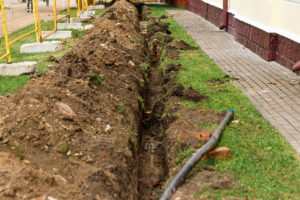
Groundworks cover the preparation, excavation and below-ground construction needed before a building, base, drainage system or external surface can be installed. This can include site clearance, levelling, excavation, foundations, trenching, concrete bases, drainage runs, soakaways and other underground services.
A small project may only need one or two of these services. A larger project may involve several stages that must be completed in the right order. For example, an extension may require excavation, muck away, foundation preparation, drainage adjustments and concrete work before the builder can start above ground.
This is why asking how long do groundworks take is not always simple. Two jobs that appear similar on the surface can have very different timescales once the site has been assessed.
You can find out more about CJ Groundworks’ wider service on the groundworks page.
Typical Groundworks Timescales
Most groundworks projects fall into broad timescale ranges. These are not fixed promises, but they give a useful guide when planning ahead.
A small concrete base may take a few days, depending on size, depth, access and drying requirements. A shed base or garden room base usually involves clearing the area, preparing the ground, installing sub-base material, forming the base and pouring concrete.
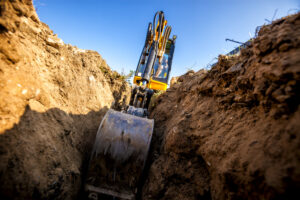
Foundation work for an extension may take one to two weeks in straightforward conditions. This can vary if deeper excavation is needed, if ground conditions are poor or if drainage runs need to be moved.
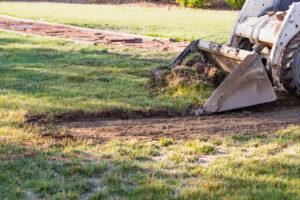
Larger site preparation works can take several weeks. This may include clearing vegetation, removing waste, grading the soil, excavating for foundations, installing drainage and preparing areas for construction traffic.
Drainage works can also vary. A short drainage repair may be completed quickly, while a new foul water or surface water drainage system may need careful excavation, pipework installation, testing and reinstatement.
How Long do Groundworks Take and What Affects Them?
Several factors can influence the length of a project. Some are obvious before work starts, while others may only become clear once excavation begins.
The main factors include site access, ground conditions, weather, project size, drainage requirements, spoil removal, foundation type and whether any unexpected obstructions are found underground. A clear, open site with good access is usually faster to work on than a tight residential plot with limited machine access.
Soil type also matters. Clay, chalk, sandy soil and made ground all behave differently. Wet clay can slow excavation, while unstable or poor-quality ground may require extra preparation. If the soil is not suitable for the planned foundation or base, the specification may need to be adjusted.
Weather can have an impact too. Heavy rain can make excavation slower and increase the risk of soft or waterlogged ground. In some cases, it may be better to pause briefly than to rush work in poor conditions and risk long-term problems.
Why Planning Matters Before Work Starts
Good planning helps avoid delays. A professional contractor will look at the site, access, levels, drainage, soil conditions and the intended use of the finished area before giving a timescale.
For domestic clients, this might mean checking how machinery will reach the garden, where excavated soil can be placed and whether the concrete lorry or pump can get close enough. For commercial or industrial clients, it may involve planning around site operations, vehicle movement, health and safety requirements and other contractors.
Groundworks are often one of the first stages of a wider construction project. If they are delayed, everything after them can be affected. This is why it is important to build in realistic time rather than assuming the fastest possible scenario.
How Long Do Foundations Take?
Foundation timescales depend on the type of foundation and the ground conditions. Strip foundations are often quicker than more complex solutions, provided the soil is stable and excavation is straightforward. Trench fill foundations may require more concrete, while raft foundations need careful preparation across a wider area.
Piled foundations are usually more specialist and may take longer due to the equipment, design and engineering involved. They are often used where ground conditions are weak, variable or unsuitable for standard shallow foundations.
For many domestic extensions, the foundation stage may take several days to a couple of weeks. This includes excavation, inspection where required, concrete pouring and any preparation needed before the next stage of building work.
CJ Groundworks provides support for different foundation types, including strip foundations, raft foundations, trench fill foundations and piled foundations. More information is available on the building foundations page.
How Long Do Drainage Works Take?
Drainage timescales depend on whether the work is a repair, replacement, new installation or off-mains drainage project. A simple drain repair may be completed in a day or two if the problem is easy to access. More involved drainage projects can take longer, especially if excavation is required across a larger area.
Foul water drainage, surface water drainage, soakaways, French drains and stormwater systems all need proper planning. Pipe falls, ground levels, soil conditions and discharge points must be considered. Poorly installed drainage can cause blockages, standing water, smells, damp problems and future repair costs.
For off-mains systems such as septic tanks, cesspits and sewage treatment plants, timescales can vary depending on excavation depth, site access, ground conditions and the type of system being installed. These projects need careful preparation because they are essential to how the property manages wastewater.
You can find related support on the drainage contractor page.
Can Groundworks Be Delayed?
Yes, groundworks can be delayed, but many delays can be reduced through careful preparation. The most common reasons include bad weather, hidden obstructions, unsuitable soil, access issues, changes to the project scope and delays with inspections or other contractors.
Hidden obstructions can include old foundations, tree roots, buried rubble, unexpected pipework or redundant services. These are not always visible during the initial site visit. Once uncovered, the team may need to adjust the method of work to keep the project safe and suitable.
A clear brief helps avoid delays. Before work begins, it is useful to confirm what is being built, where it will go, what loads it needs to support and whether future services such as drainage, ducts or utilities need to be allowed for.
How To Keep Groundworks On Schedule
Clients can help keep projects moving by making sure the site is ready before the team arrives. This can include clearing access routes, confirming parking arrangements, moving garden furniture, checking boundaries and making sure any required permissions or drawings are available.
It is also helpful to discuss practical details early. For example, where will excavated soil go? Is muck away required? Can machinery access the site safely? Are there trees, walls, fences or neighbouring properties close to the work area?
A good contractor will talk through these points before starting. This helps set a realistic programme and reduces the chance of avoidable disruption.
Why Faster Is Not Always Better
When people ask how long do groundworks take, it is natural to want the shortest possible answer. However, fast work is not always the best work. Groundworks need to support everything that comes afterwards, so quality preparation matters.
Rushing excavation, drainage, levelling or concrete preparation can lead to long-term problems. Poor compaction may cause settlement. Incorrect levels may create water run-off issues. Weak foundation preparation may affect structural stability. Inadequate drainage may cause repeated blockages or damp ground.
The aim should be efficient, well-planned work rather than rushed work. A reliable groundworks contractor will focus on getting the job done properly, with suitable preparation and clear communication throughout.
FAQs
How long do groundworks take for a house extension?
Groundworks for a typical house extension may take from several days to a couple of weeks, depending on access, excavation depth, soil type, drainage changes and foundation design. More complex sites can take longer.
Can groundworks be done in bad weather?
Some groundworks can continue in light rain, but heavy rain, flooding or very soft ground can slow progress. Working in poor conditions may risk damaging the site or affecting the quality of the finished work.
Do I need groundworks before installing a concrete base?
Yes, most concrete bases need proper ground preparation before the concrete is poured. This may include excavation, levelling, sub-base installation and formwork. The quality of the preparation affects the strength and durability of the base.
Summary
So, how long do groundworks take? Small projects may take only a few days, while larger groundworks, drainage and foundation projects can take several weeks. The final timescale depends on the size of the job, ground conditions, access, weather, drainage requirements and the level of preparation needed.
The most important thing is to get a proper site assessment before work begins. This gives you a realistic idea of the timescale and helps prevent avoidable delays once the project is underway.
For reliable groundworks, drainage, foundations and concrete base preparation across Sussex, East Sussex, Surrey and Kent, contact CJ Groundworks. Call 0140 373 3214 or email chris@cjgroundworks.com to discuss your project. You can also find out more about their services on the groundworks page.
Phone: 0140 373 3214
Email: chris@cjgroundworks.com
Find out more: https://cjgroundworks.com/