Sewage treatment systems are an advanced solution for managing wastewater in properties that are not connected to the mains sewer network. Unlike simpler systems, they treat waste to a much higher standard, making them suitable for a wide range of domestic and commercial applications.
Understanding how sewage treatment systems work and when they are required helps property owners choose the right drainage solution.
What Is a Sewage Treatment System?
A sewage treatment system is designed to treat wastewater to a level where it can be safely discharged into the environment, typically into a watercourse or the ground.
How it works:
- Wastewater enters the treatment plant
- Solids settle and separate from liquids
- Bacteria break down organic matter
- Treated water is discharged safely
This process produces cleaner water compared to traditional systems.
Sewage Treatment vs Septic Tanks
Sewage treatment systems and septic tanks both manage wastewater, but they operate differently.
Key differences:
- Sewage treatment systems
Fully treat wastewater to a high standard
Can discharge into watercourses (subject to regulations)
Require electricity to operate - Septic tanks
Partially treat waste
Require drainage fields to disperse liquids
Do not fully clean the water
Decision Guidance
- Good option: Basic needs → septic tank
- Better option: Moderate demand → improved system
- Best option: High standards or regulatory needs → sewage treatment system
When Do You Need a Sewage Treatment System?
Sewage treatment systems are often required in situations where simpler systems are not suitable.
Common scenarios include:
- Properties without mains drainage
- Sites where septic tanks cannot meet regulations
- Locations with poor soil conditions
- Developments requiring higher environmental standards
Real-World Scenario
A rural property previously using a septic tank must upgrade to meet new environmental regulations. A sewage treatment system is installed to provide compliant discharge and improved performance.
Installation Process
Installing a sewage treatment system involves careful planning and execution.
Typical stages:
- Site assessment and soil testing
- System selection based on usage and conditions
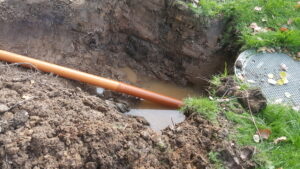
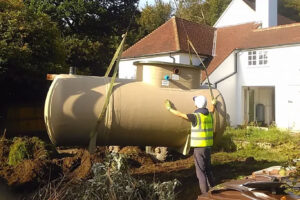
- Excavation and installation of the unit
- Connection to drainage and discharge points
- Testing and commissioning
Professional installation ensures the system operates efficiently and meets regulatory requirements.
Running Costs and Maintenance
Sewage treatment systems require ongoing maintenance to function properly.
Typical running costs include:
- Electricity to power the system
- Routine servicing and inspections
- Periodic desludging
Maintenance requirements:
- Annual servicing by a professional
- Monitoring system performance
- Avoiding disposal of harmful substances
While costs are higher than simpler systems, the improved performance often justifies the investment.
Benefits of Sewage Treatment Systems
Sewage treatment systems offer several advantages over traditional drainage solutions.
Key benefits:
- Higher level of wastewater treatment
- Reduced environmental impact
- Greater flexibility in discharge options
- Compliance with modern regulations
- Suitable for a wide range of property types
These systems provide a reliable and future-proof solution for off-mains drainage.
What Happens If You Use the Wrong System?
Choosing an unsuitable drainage system can lead to problems.
Potential issues:
- Failure to meet environmental regulations
- Poor drainage performance
- Increased maintenance costs
- Requirement for system upgrades
Real-World Example
A property installs a septic tank where a treatment system is required. Following inspection, the owner is forced to upgrade, resulting in additional cost and disruption.
How Long Do Sewage Treatment Systems Last?
With proper maintenance, sewage treatment systems can last many years.
Lifespan factors:
- Quality of installation
- Regular servicing
- Correct usage
- Environmental conditions
Investing in a well-installed system ensures long-term reliability.
Choosing the Right System for Your Property
Selecting the right sewage treatment system depends on several factors.
Key considerations:
- Property size and occupancy
- Ground conditions and discharge options
- Regulatory requirements
- Long-term maintenance preferences
Professional advice helps ensure the correct system is chosen.
For further technical information on wastewater treatment, see
https://en.wikipedia.org/wiki/Sewage_treatment
Frequently Asked Questions
Q1: Do sewage treatment systems require electricity?
Yes, most systems require power to operate treatment processes.
Q2: How often should a system be serviced?
Typically once a year, although this can vary depending on usage.
Q3: Are sewage treatment systems expensive to run?
They have higher running costs than septic tanks but provide better performance and compliance.
Q4: Can treated water be discharged anywhere?
No, discharge must comply with environmental regulations and approved methods.
Sewage treatment systems provide an effective and compliant solution for managing wastewater where mains drainage is not available. With proper installation and maintenance, they offer reliable performance and environmental protection.
If you are considering a sewage treatment system or need expert advice, contact CJ Groundworks today.
Phone: 0140 373 3214
Email: chris@cjgroundworks.com
Find out more: https://cjgroundworks.com/