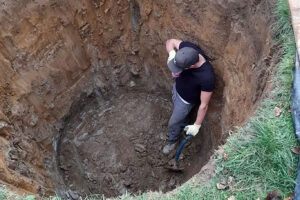
Septic tank installation is a common solution for properties that are not connected to the mains sewer network. While it provides an effective way to manage wastewater, it is essential to understand both the costs involved and the regulations that apply in the UK.
Planning properly from the outset ensures your system is compliant, efficient and built to last.
What Is a Septic Tank System?
A septic tank is an underground system that collects and partially treats wastewater from a property.
How it works:
- Wastewater flows into the tank
- Solids settle at the bottom forming sludge
- Liquids flow out into a drainage field
- Natural processes break down waste over time
Unlike cesspits, septic tanks discharge treated water into the ground, reducing the need for frequent emptying.
When Do You Need Septic Tank Installation?
Septic tank installation is typically required when a property does not have access to mains drainage.
Common situations include:
- Rural homes and properties
- New builds in remote locations
- Replacement of outdated or non-compliant systems
- Upgrading from a cesspit
Real-World Scenario
A homeowner renovating a rural property discovers the existing drainage system does not meet current regulations. A new septic tank installation is required to ensure compliance and safe wastewater management.
Cost of Septic Tank Installation in the UK
The cost of septic tank installation can vary significantly depending on several factors.
Key cost factors:
- Size and type of tank required
- Ground conditions and excavation complexity
- Installation of drainage fields or soakaways
- Access to the site for machinery
- Additional groundwork or upgrades
General Cost Insight
Septic tank installation is a significant investment, but it provides a long-term solution for wastewater management. Costs are typically higher than basic systems but lower than more advanced treatment plants.
Decision Guidance
- Good option: Small property → basic septic system
- Better option: Medium usage → larger or upgraded system
- Best option: High demand or strict regulations → advanced systems or treatment plants
UK Regulations for Septic Tank Installation
Septic tank installation must comply with strict regulations to protect the environment.
Key regulatory requirements:
- Systems must not discharge directly into surface water
- Installation must meet Environment Agency guidelines
- Building regulations approval is required
- Proper siting distances from buildings and water sources must be maintained
- Systems must be regularly maintained and emptied
Failure to comply can result in fines or enforcement action.
Do You Need Planning Permission?
In most cases, septic tank installation does not require full planning permission, but approval under building regulations is always required.
You may need permission if:
- The installation significantly alters land use
- It is part of a new build development
- The site is in a protected or sensitive area
It is always best to confirm requirements with your local authority before proceeding.
The Installation Process
Septic tank installation involves several key stages.
Typical process:
- Site assessment and soil testing
- System design based on usage and ground conditions
- Excavation for the tank and drainage field
- Installation of the tank and pipework
- Backfilling and testing
Proper installation ensures the system functions efficiently and complies with regulations.
How Long Does Installation Take?
The timeline for septic tank installation depends on site conditions and system complexity.
Typical durations:
- Simple installations: a few days
- Moderate projects: up to one week
- Complex systems: longer depending on ground conditions
Unexpected issues such as poor soil conditions can extend the timeline.
Maintenance After Installation
Regular maintenance is essential to keep the system working effectively.
Key maintenance tasks:
- Periodic emptying of sludge
- Monitoring system performance
- Avoiding disposal of unsuitable materials
- Checking drainage fields for issues
Proper maintenance extends the life of the system and prevents costly repairs.
What Happens If Regulations Are Ignored?
Failing to comply with septic tank regulations can lead to serious consequences.
Potential issues:
- Environmental contamination
- Legal action or fines
- Requirement to upgrade or replace the system
- Reduced property value
Real-World Example
A property owner installs a system that discharges into a watercourse. Following inspection, they are required to upgrade the system at significant cost to meet regulations.
Choosing the Right System
Selecting the right septic tank system depends on several factors.
Key considerations:
- Property size and occupancy
- Ground conditions and drainage capability
- Local regulatory requirements
- Long-term maintenance needs
Professional advice ensures the system is suitable and compliant.
For further information on septic systems, see
https://en.wikipedia.org/wiki/Septic_tank
Frequently Asked Questions
Q1: How much does septic tank installation cost?
Costs vary depending on system size, ground conditions and installation complexity.
Q2: Do septic tanks require regular emptying?
Yes, although less frequently than cesspits, they still require periodic maintenance.
Q3: Can I install a septic tank anywhere?
No, location must meet regulatory requirements and be suitable for drainage.
Q4: How long does a septic tank last?
With proper installation and maintenance, systems can last for decades.
Septic tank installation is a reliable solution for properties without mains drainage, but it must be carried out correctly to ensure compliance and long-term performance. Understanding costs and regulations helps you make informed decisions from the start.
If you are considering a septic tank installation or need expert advice, contact CJ Groundworks today.
Phone: 0140 373 3214
Email: chris@cjgroundworks.com
Find out more: https://cjgroundworks.com/